FLONQ: 2x sales from trained retail staff across 13,000+ stores
Sales uplift from education
Products sold over 3+ years
Retail stores in program
.svg)
FLONQ had distribution covered. A network of distributors with their own sales reps, plus FLONQ's own field team working as brand ambassadors across key accounts. Between them, the product reached 13,000+ locations: tobacco specialists, independent shops, gas stations, chain retail. The logistics worked. The product was on shelves.
The problem was what happened next. With 50+ competing brands visible on every shelf, clerks knew the FLONQ name but couldn't explain what made it different. New product launches landed in stores and sat there. Brand awareness research confirmed the gap: FLONQ led in sales volume but trailed competitors in brand recognition among the very people selling it.
Shopobill became the system that closed that gap. Starting with receipt-based incentives, the program evolved over 3 years into a complete retail activation engine: product education, code-based verification, volume mechanics, and multi-brand management. The education initiative proved decisive. Sellers who completed product training sold at twice the rate of those who didn't.
Impact highlights
- 5.87M products sold over 3+ years verified via receipt and code validation
- 2x sales from education: trained sellers sell twice as much as untrained sellers in the same stores
- 4x store performance when combining incentives with education
- 25,000+ sellers registered with near-total training adoption across all courses
- 7 branded product courses with sales training buyer personas and competitive switching scripts
- 3 brands on one platform with independent mechanics
Sellers knew the brand, but not the product
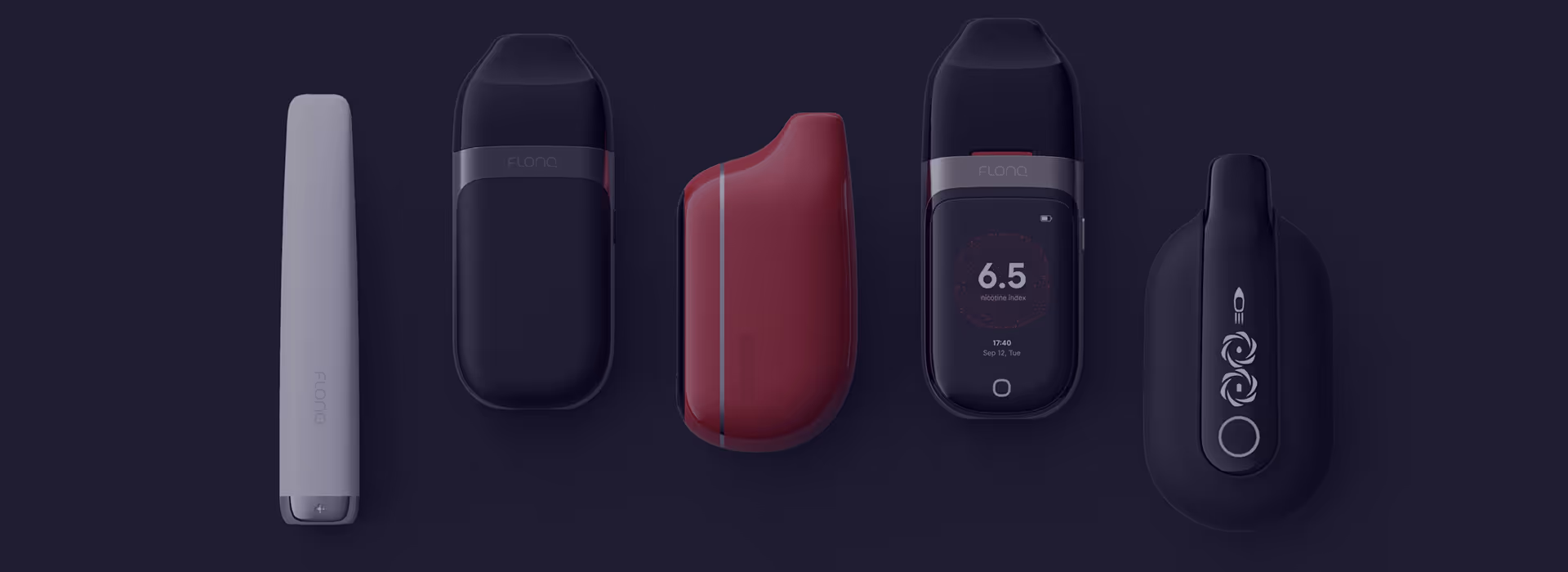
In a typical vape shop, smoke shop, or convenience store, 50+ brands compete for the same counter space. Clerks see FLONQ every day. They can point to it on the shelf. But ask what makes the Meta Smart different from a competing pod system, or why Roqy's hybrid nicotine delivers a different experience, and the answer is a shrug.
This mattered because 60% of consumers in this category make their purchase decision inside the store, based on clerk recommendation. FLONQ's product depth, spanning smart devices with companion apps, premium disposables, budget alternatives, and nicotine pouch analogs, was invisible to the people selling it.
New product launches sharpened the problem. Listing a new SKU was straightforward. Getting sellers to recommend it over familiar alternatives required product knowledge that most clerks never received.
- Product depth invisible to sellers
Seven product lines across 3 brands clerks recognized the packaging but couldnt articulate competitive advantages new SKU launches landed in stores and sat there competing against established favorites sellers already knew - External LMS failed the use case
FLONQ evaluated dedicated learning platforms but found them too rigid for retail separate registration flows multi day approval processes interfaces that retail staff wouldnt tolerate - Receipt only verification had coverage gaps
Not all retail outlets issue receipts consistently at 13000+ locations receipt infrastructure alone couldnt cover every sale
Building a retail university inside the incentive program
FLONQ evaluated external learning management systems. One required separate registration. Another had a 3-day approval process for new content. All of them meant asking retail clerks to download another app, create another account, learn another interface.
The insight: retail sellers don't need corporate training software. They need visual, mobile-first content that loads instantly inside the tool they already use every day.
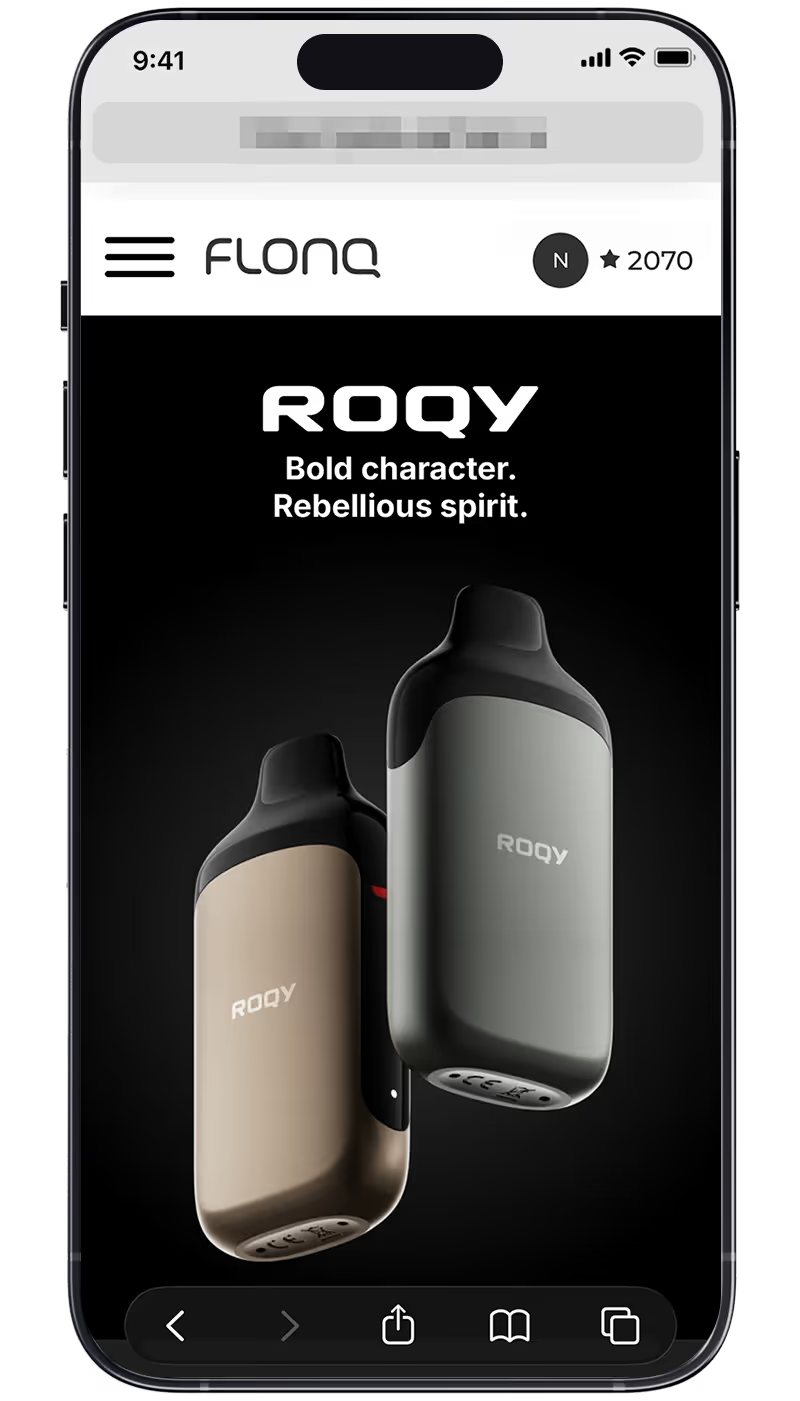
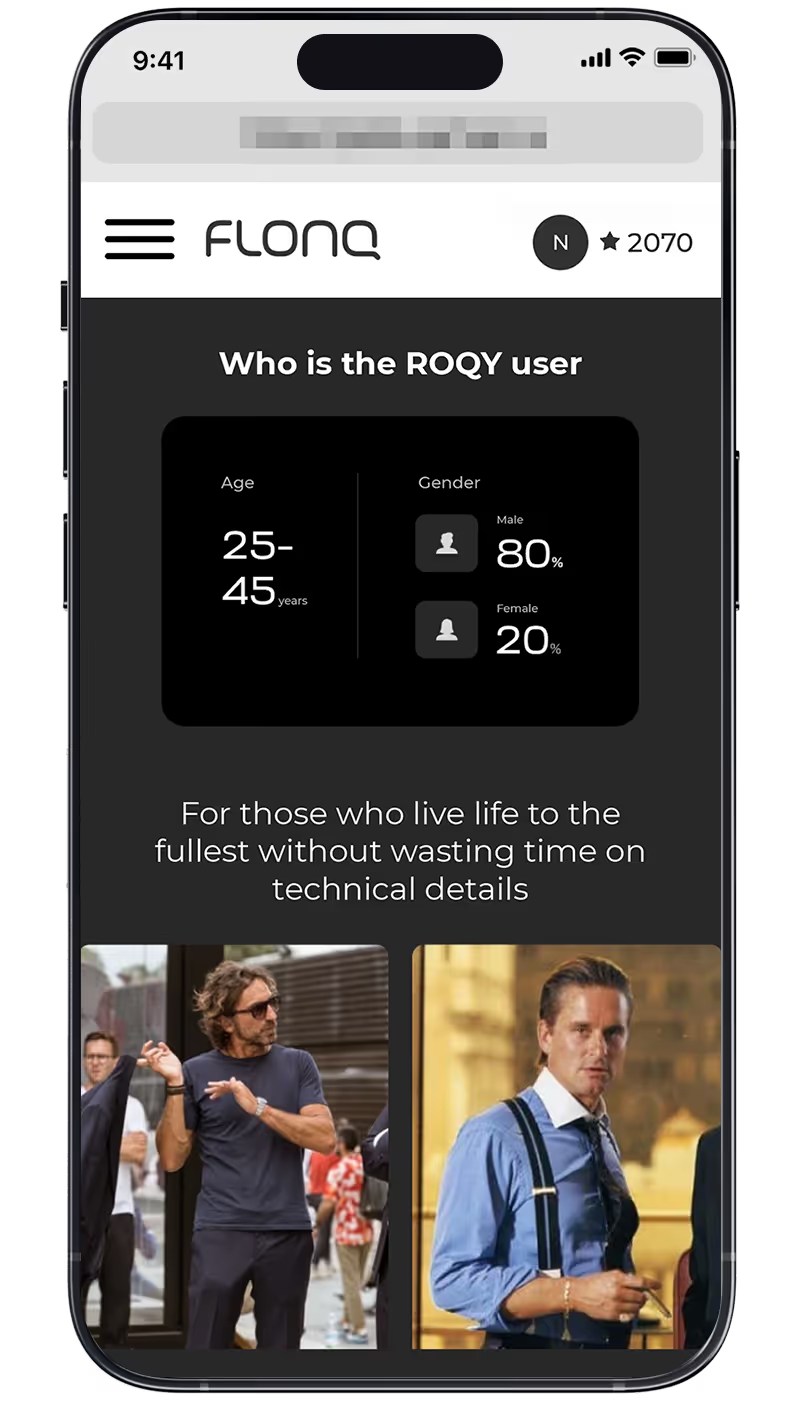
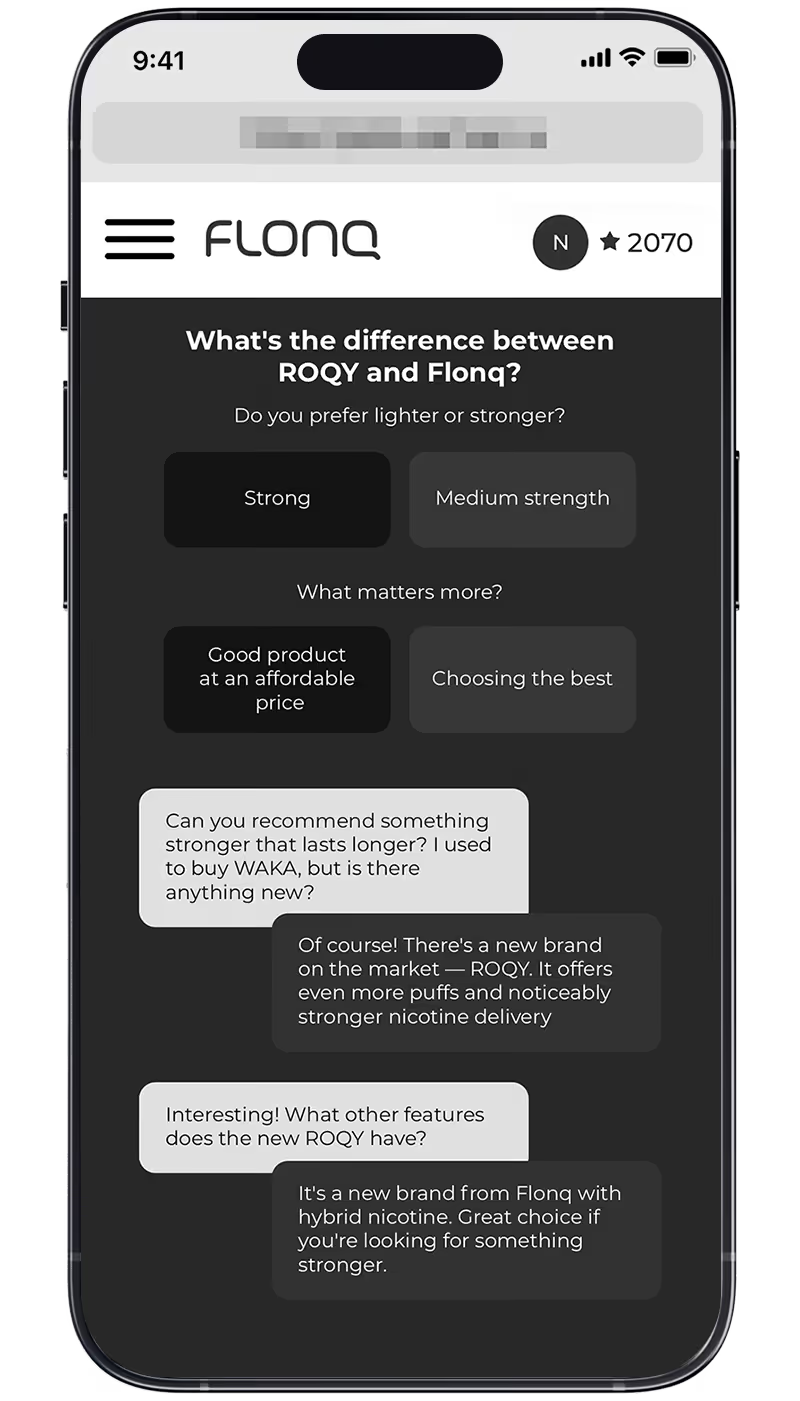
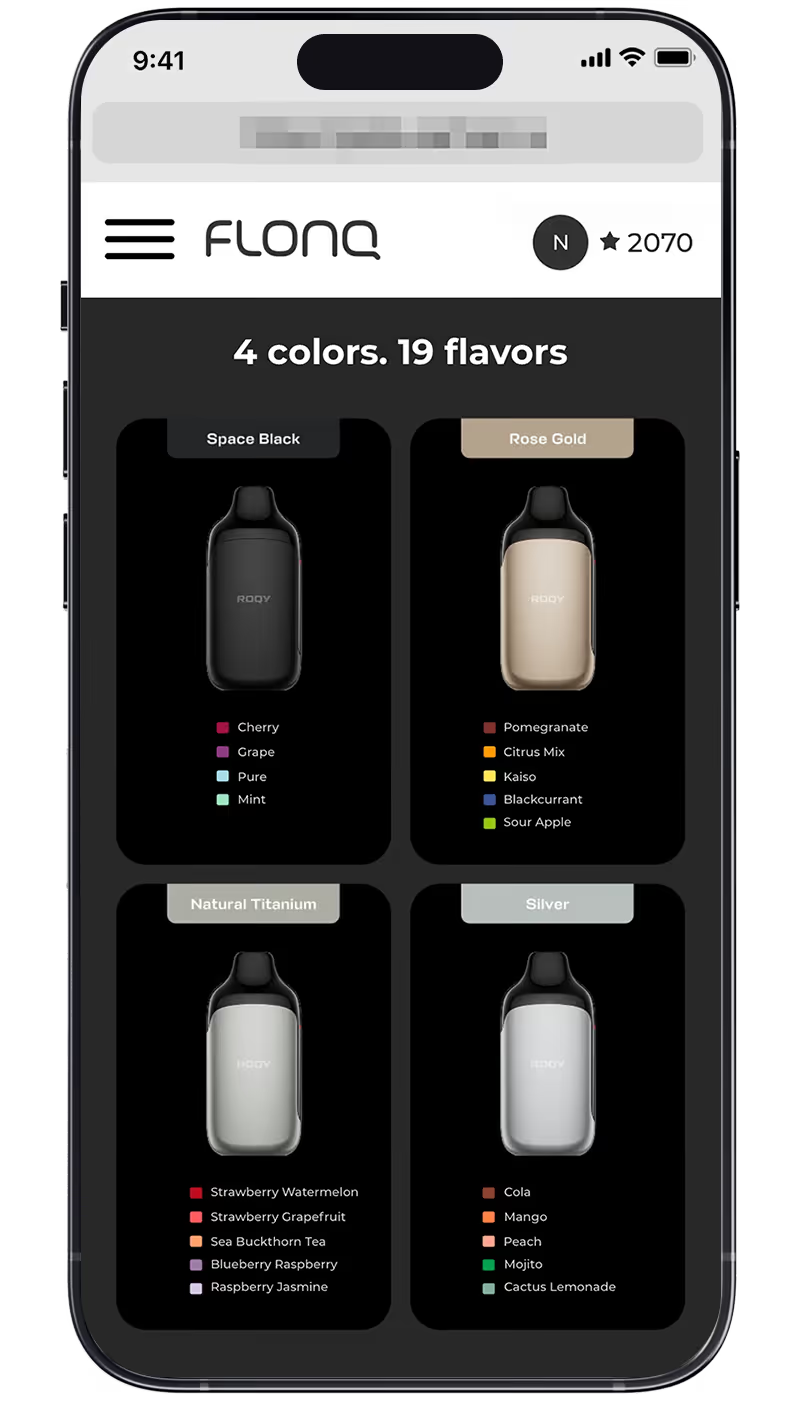
Inside a product course: brand hero → buyer persona → competitive switching script → product catalog. Content designed like product stories, not slide decks.
How education evolved inside the program
- Evaluated external LMS platforms
Tested Motiviti and others too rigid separate registration 3 day content approval complex interfaces retail clerks wouldnt use it - Built education inside Shopobill
Visual mobile first product courses no separate login sellers tap a course from their incentive dashboard and start learning content designed like product stories not slide decks - Scaled to 7 courses across 3 brands
Each brand gets its own visual identity flagship premium and refined value brand edgy and bold nicotine pouch analog clean and clinical content complexity scales with product complexity - Added sales training not just product specs
Advanced courses include buyer persona profiles competitive switching scripts and simulated sales dialogues the smart device course teaches clerks how to pitch against competing brands - Measured 2x sales impact
25000+ training completions trained sellers sell twice as much as untrained sellers in the same stores measured per store per product launch
Incentive program alone 2x store performance add education on top 4x total
Quiz-to-reward loop
Every course ends with a quiz. Correct answers earn SPIFF points. Question pools of 150-200 items with randomized selection prevent screenshot-sharing between sellers. Completing training unlocks higher reward tiers on sales.
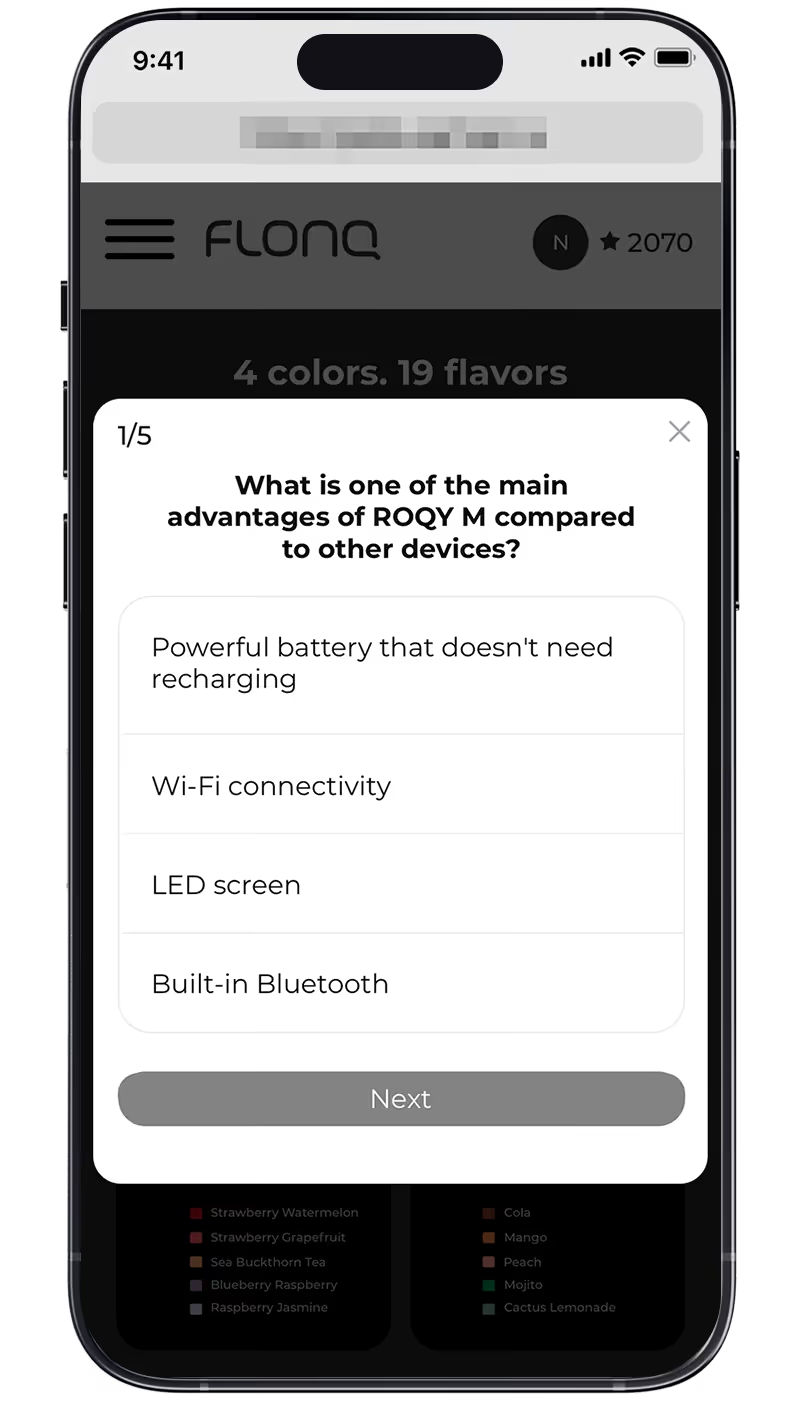
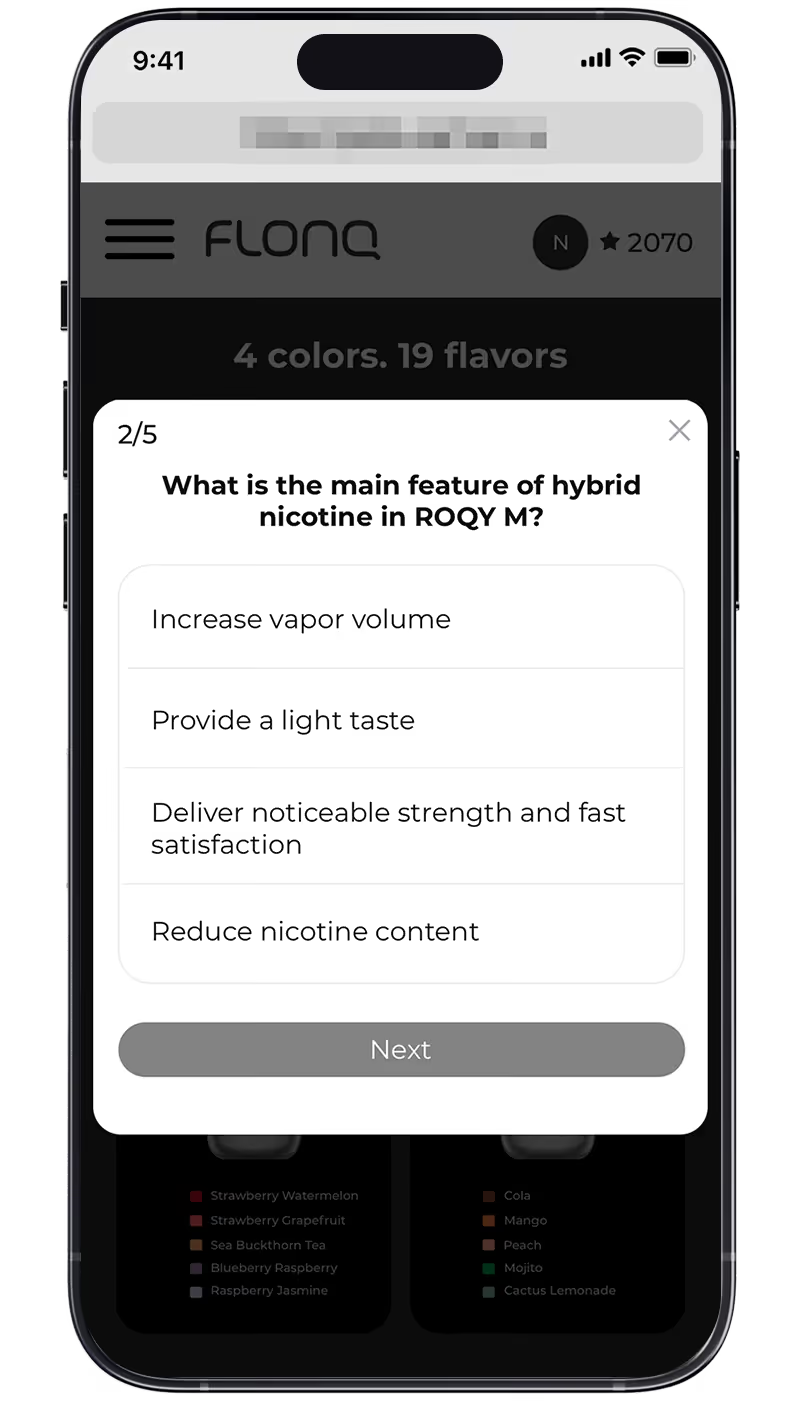
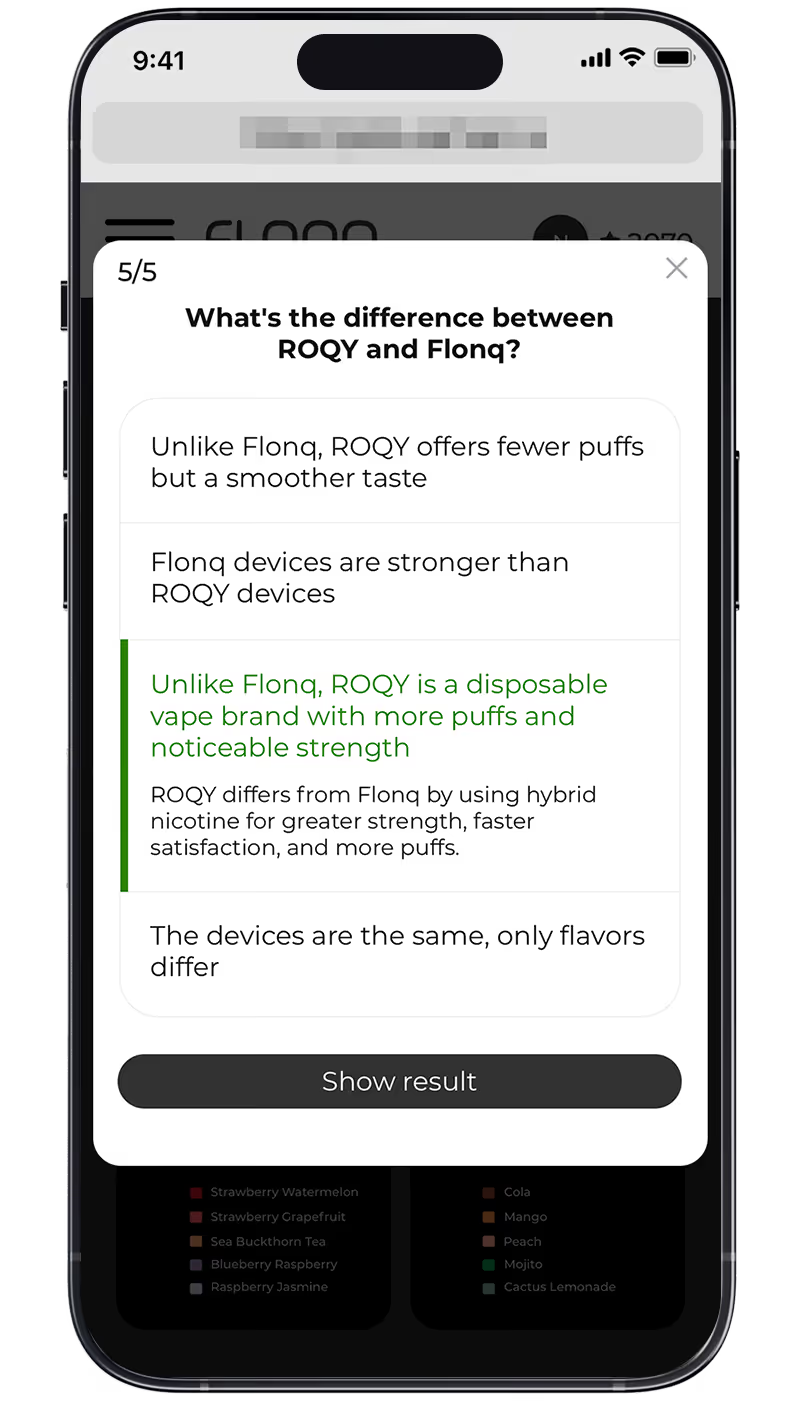
Quiz flow within one product course: question → question → result with points earned. Pools of 150-200 questions per course prevent screenshot-sharing.
"Integrating education into the incentive program led to 2x sales growth among sellers who completed the course."
Egor Karanaev, Head of Digital, FLONQ
One retail chain was removed from the incentive program entirely. Their sell-out stayed strong. The sellers had internalized the product knowledge so thoroughly that they kept recommending and selling without the incentive. Education created lasting behavior that outlived the rewards.
Extending verification beyond receipts with unique codes
As the sales incentive program scaled to 13,000+ stores across vape shops, smoke shops, convenience stores, and gas stations, a limitation of receipt-only verification became clear. Not every retail outlet issues receipts consistently. Some stores selling the product weren't part of the brand's official distribution records. Receipt infrastructure alone couldn't cover the full scope of where products were actually being sold.
FLONQ added unique QR codes on product packaging as a parallel verification channel. Each unit carries a code tied to track-and-trace unique marking. A seller scans the code directly from the physical product, confirming a real unit moved through their hands. This works everywhere the product is sold, regardless of whether the store issues receipts or whether the brand knew the outlet existed.
Two ways to record a sale
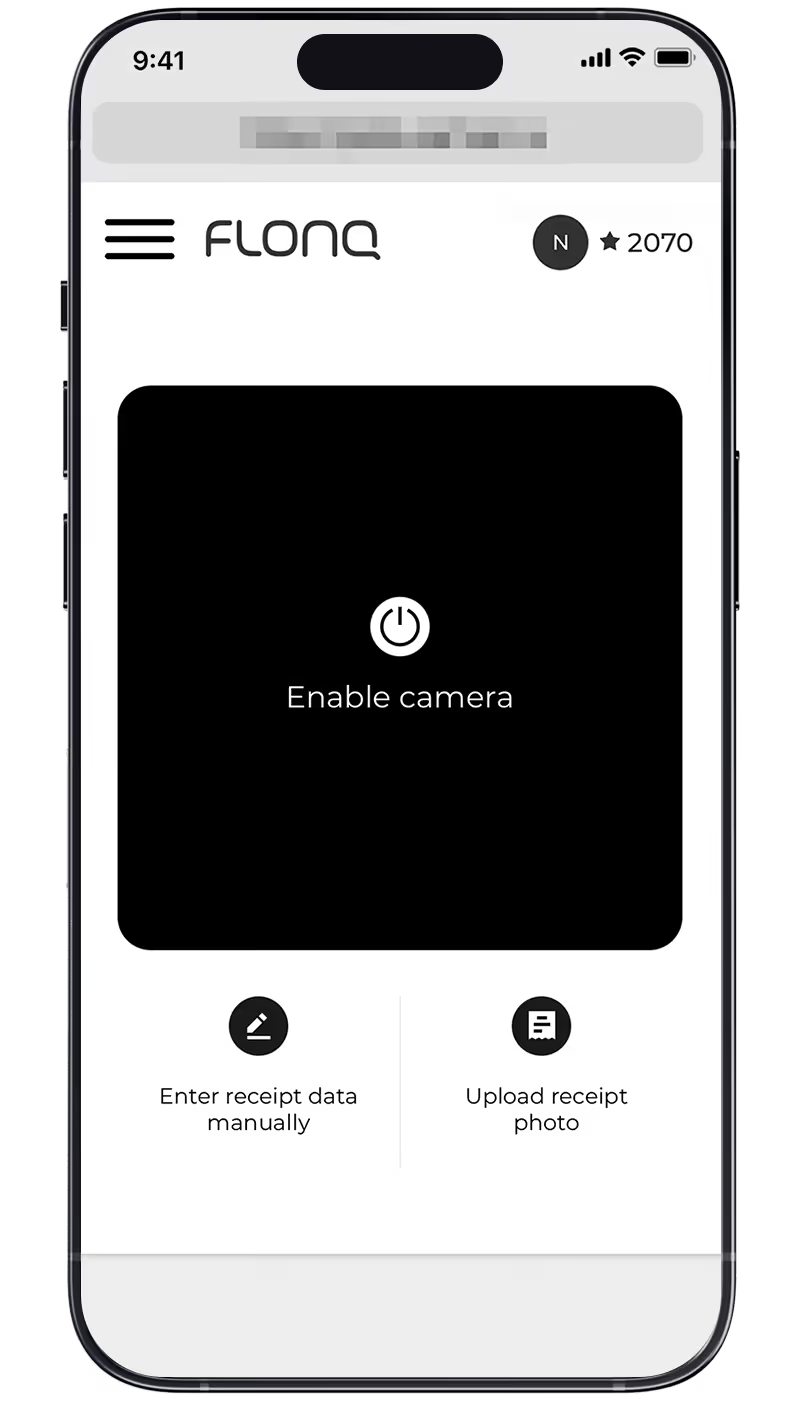
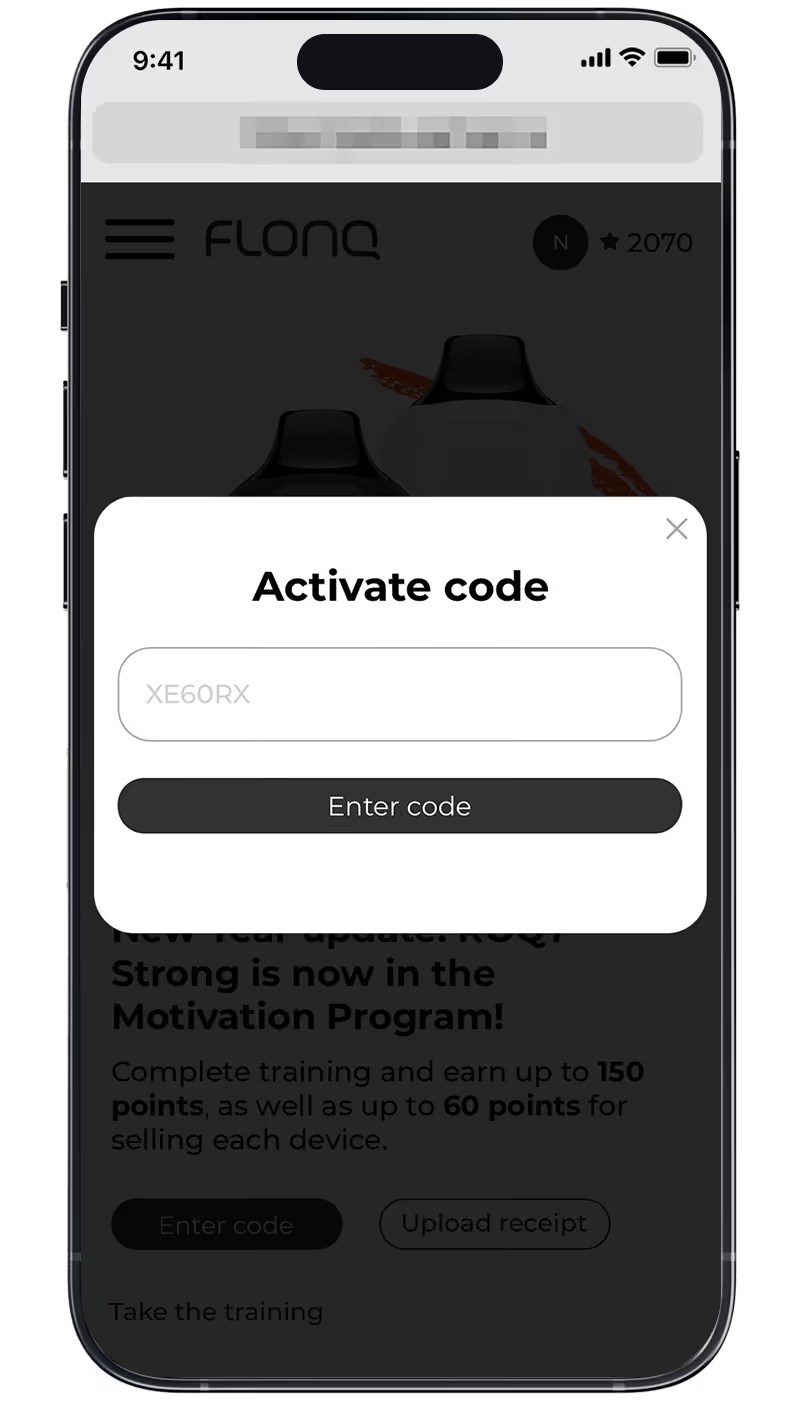
Sellers record sales two ways: scan a receipt (left) or enter a unique product code (right). Both verify the sale instantly.
Every unit has a unique code
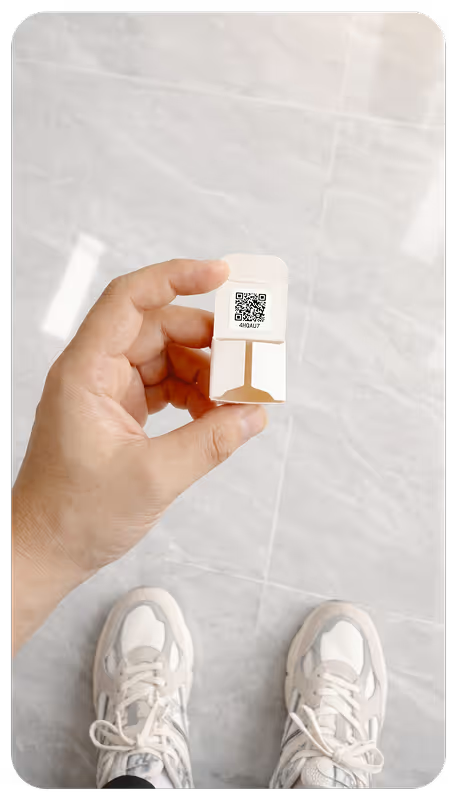
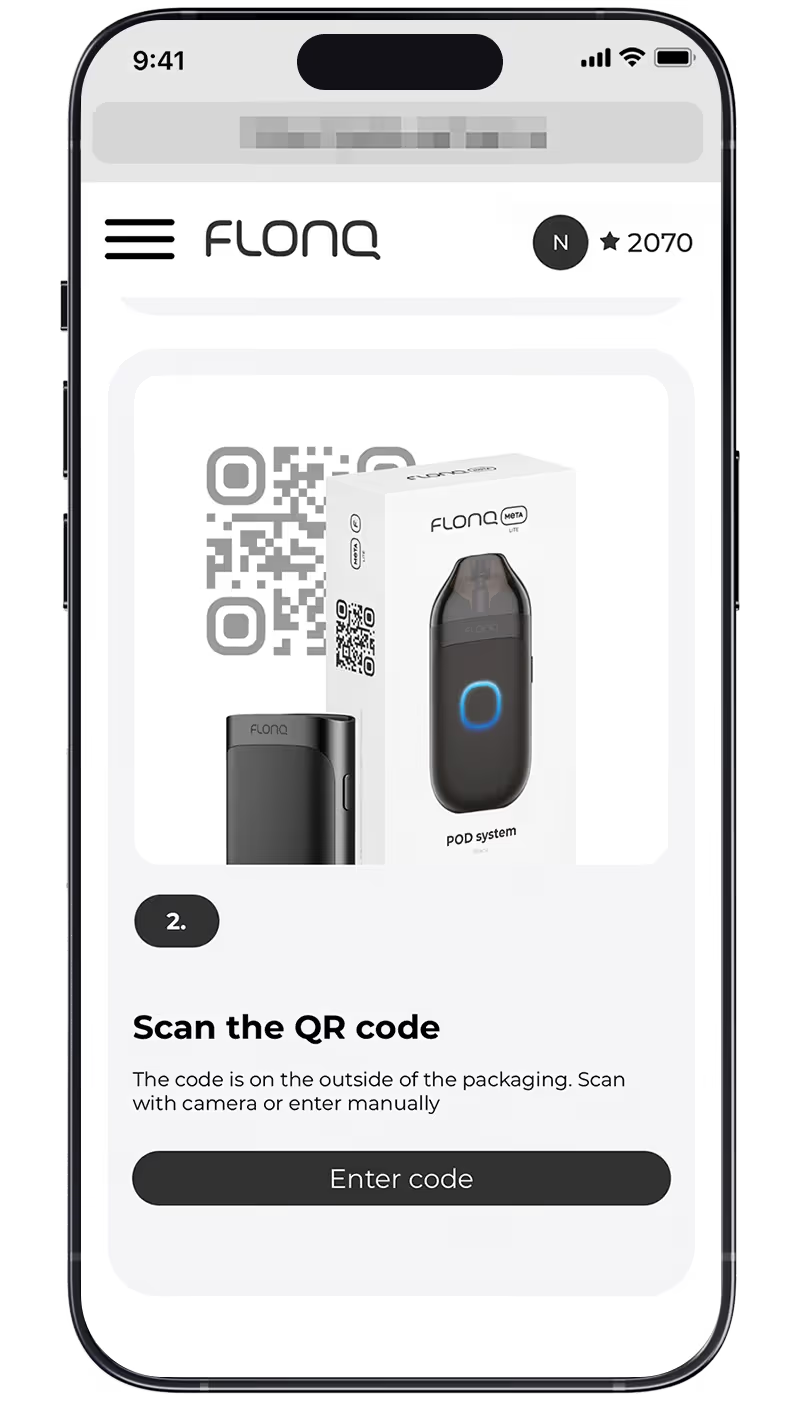

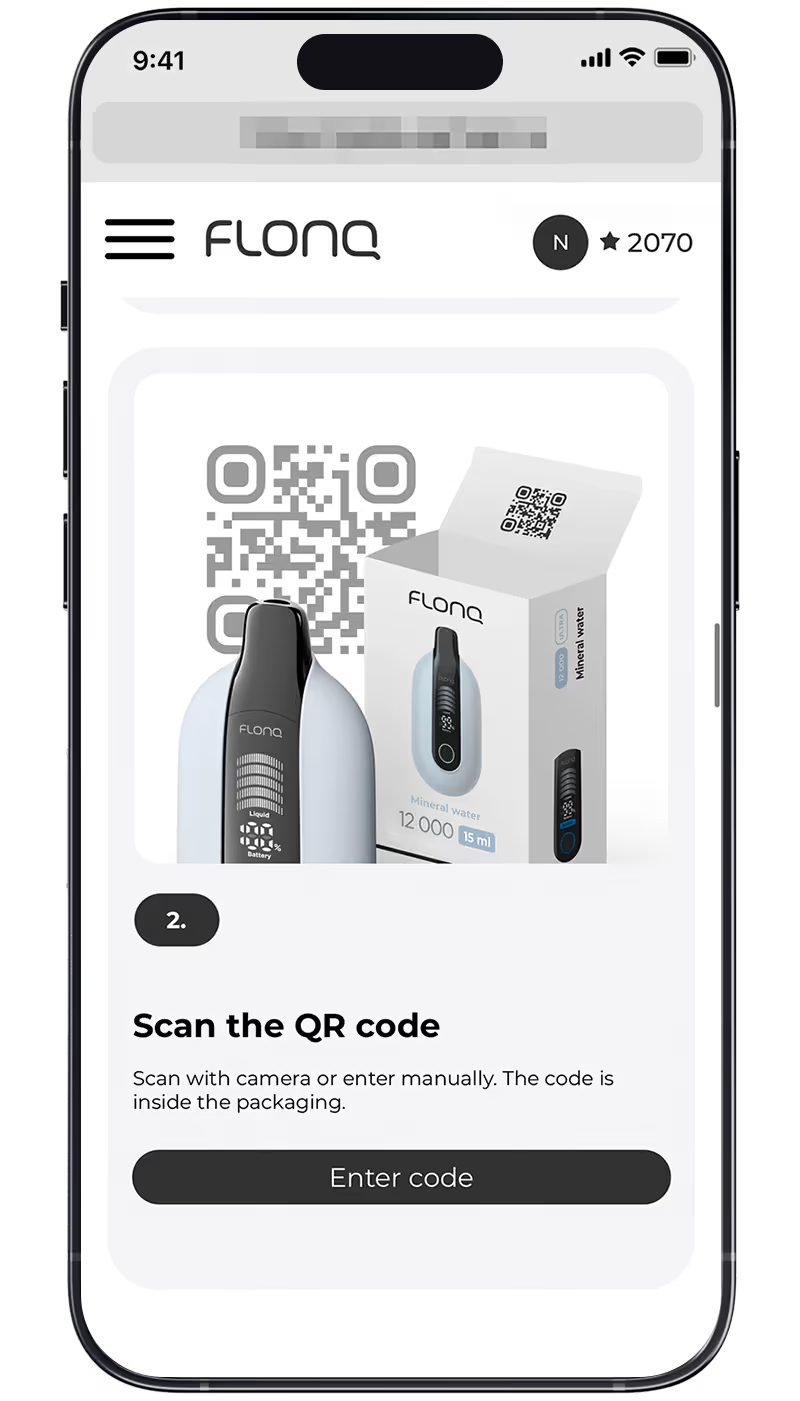
A real QR code with unique identifier inside the packaging (left), and how the program communicates code placement to the seller for each product type: pod system, liquid, disposable.
What codes added to the program
- Coverage beyond receipts: Stores that don't issue receipts consistently are no longer invisible. If a seller scans a code, the sale is verified.
- Distribution visibility: Codes surfaced retail outlets the brand didn't know were carrying the product, expanding the map of actual sell-in locations.
- Market-ready verification: In markets without established track-and-trace infrastructure, codes provide a self-contained proof of sale that doesn't depend on external systems.
- Transaction integrity: Each code can only be redeemed once. The platform tracks redemption in real time, ensuring every verified sale corresponds to a real physical unit.
Phased rollout kept participation stable
The code mechanic launched first as a standalone bonus: scan a code, earn points. No requirement to match it with a receipt. Sellers adapted to the new flow without friction. Over time, verification was tightened progressively until reaching zero tolerance on non-unique codes.
Key principle: every added step reduces seller participation. New verification layers introduced gradually, with clear communication and adjustment periods, preserved the engagement that abrupt changes would have destroyed.
{{CTA}}
Volume mechanics that drive consistent performance
With thousands of participants and hundreds of thousands of units moving monthly, FLONQ needed the incentive structure to reward consistent high-volume sellers, not occasional participants.
- Withdrawal thresholds: Sellers must hit a minimum monthly sales target to unlock point withdrawal. Concentrates rewards on active sellers who drive real volume.
- Point burning: Consecutive months below threshold burns all accumulated points, reducing prize fund liability.
- Product rotation: Flagship products stay always-on. New product launches get concentrated incentive support, then rotate out once they reach shelf velocity.
- Multi-brand management: Three brands run on one platform with independent mechanics. Different reward rates, different thresholds, different product categories.
- Bundle mechanics: 5 nicotine pouch analog products on one receipt triggers a bonus, incentivizing cross-category selling alongside core vape products.
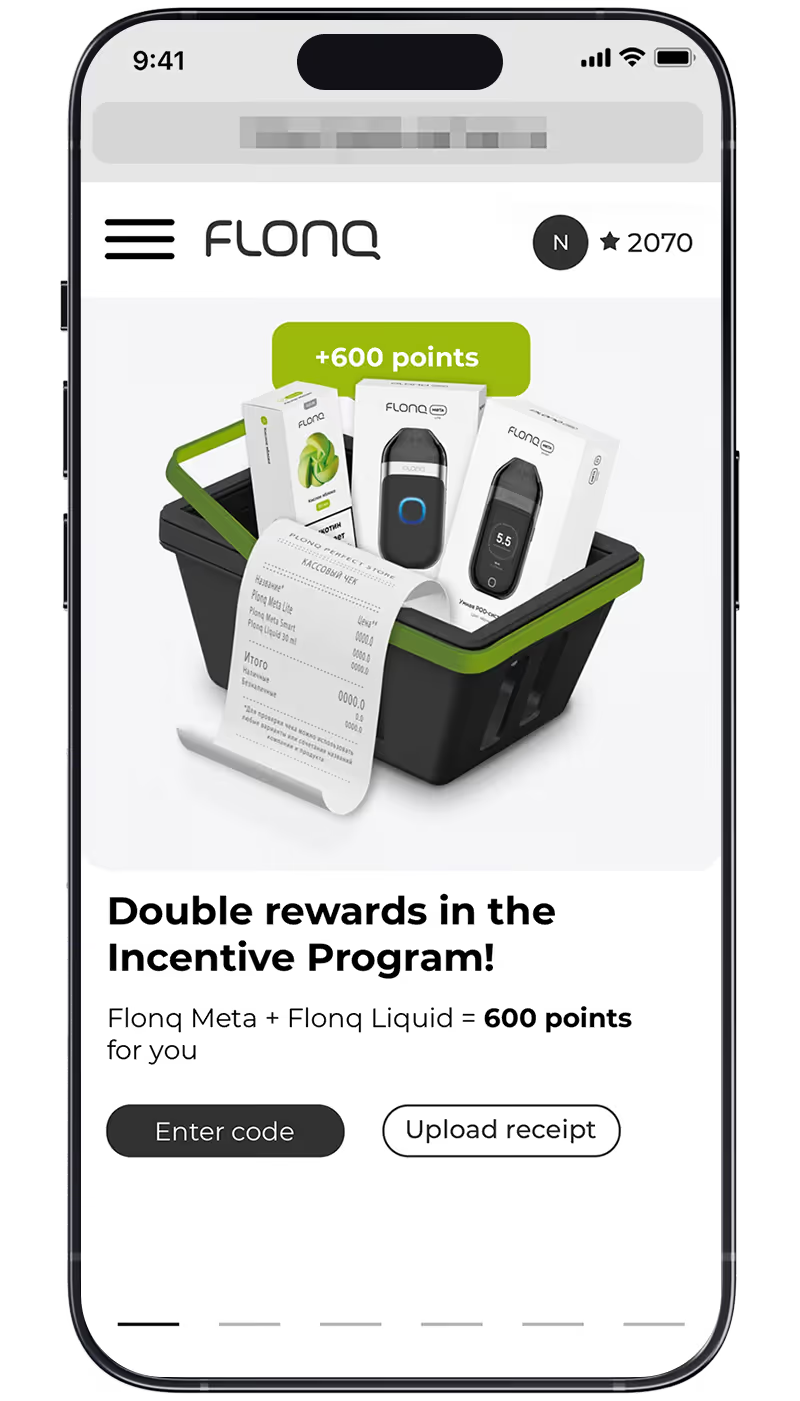
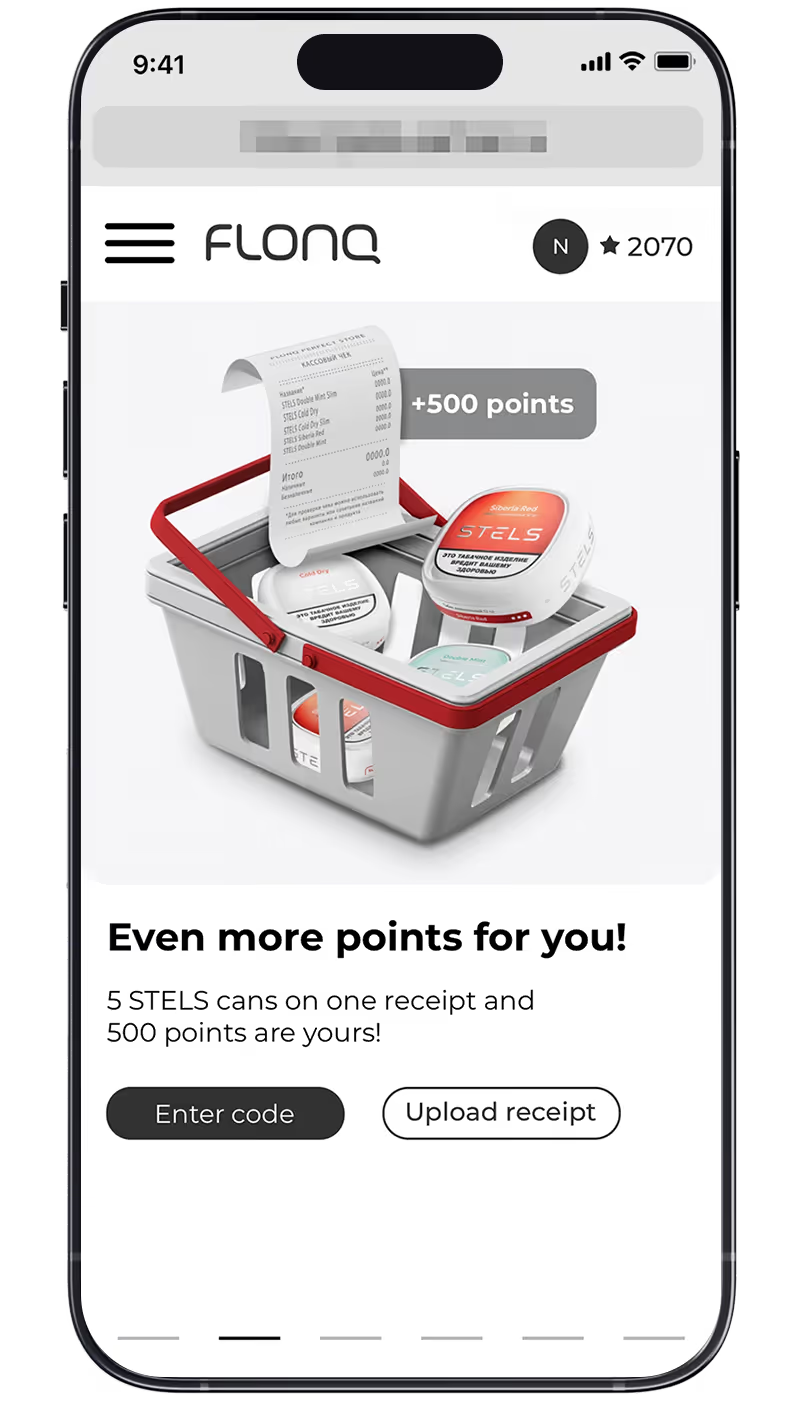
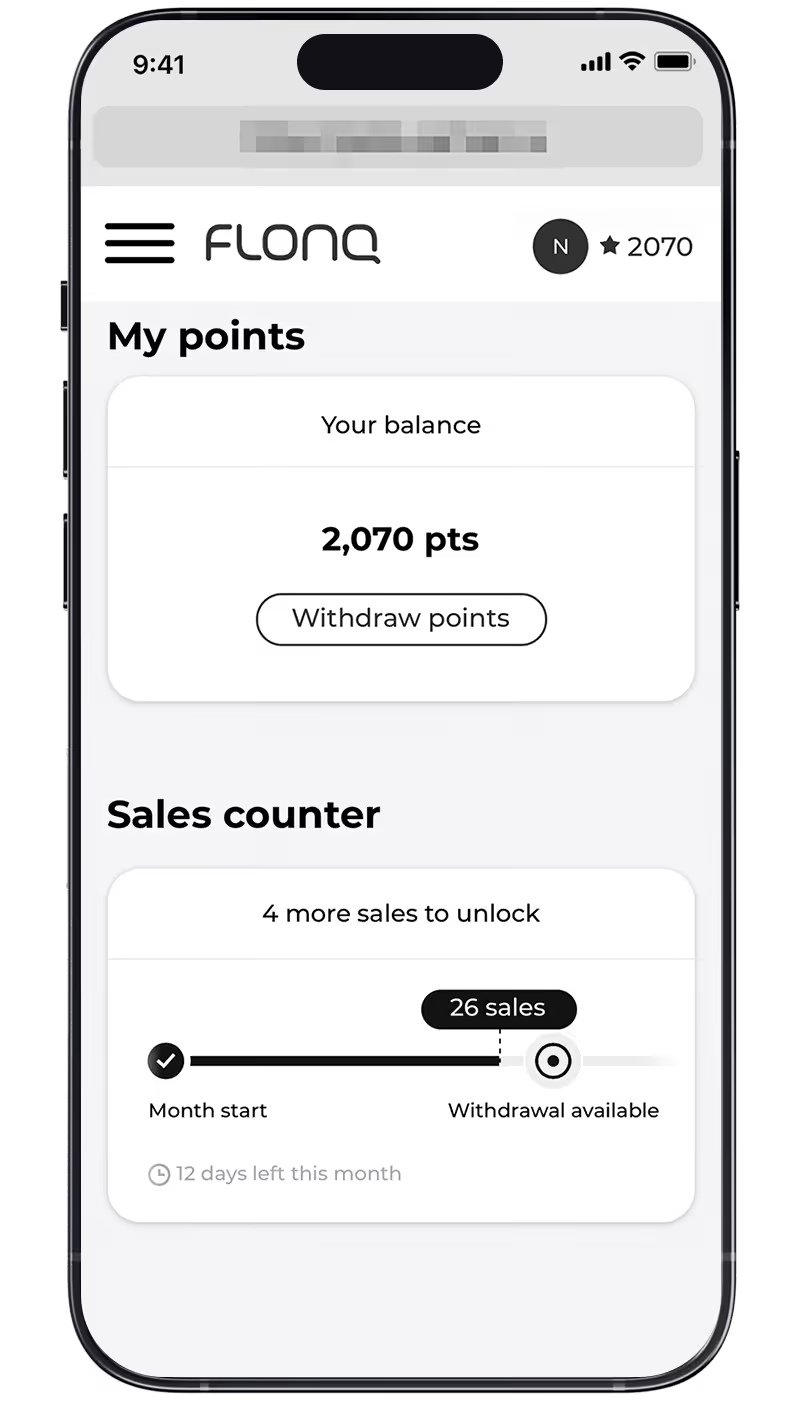
Program landing with active promos → bundle mechanic (5 products = bonus) → balance with withdrawal threshold.
Reward options
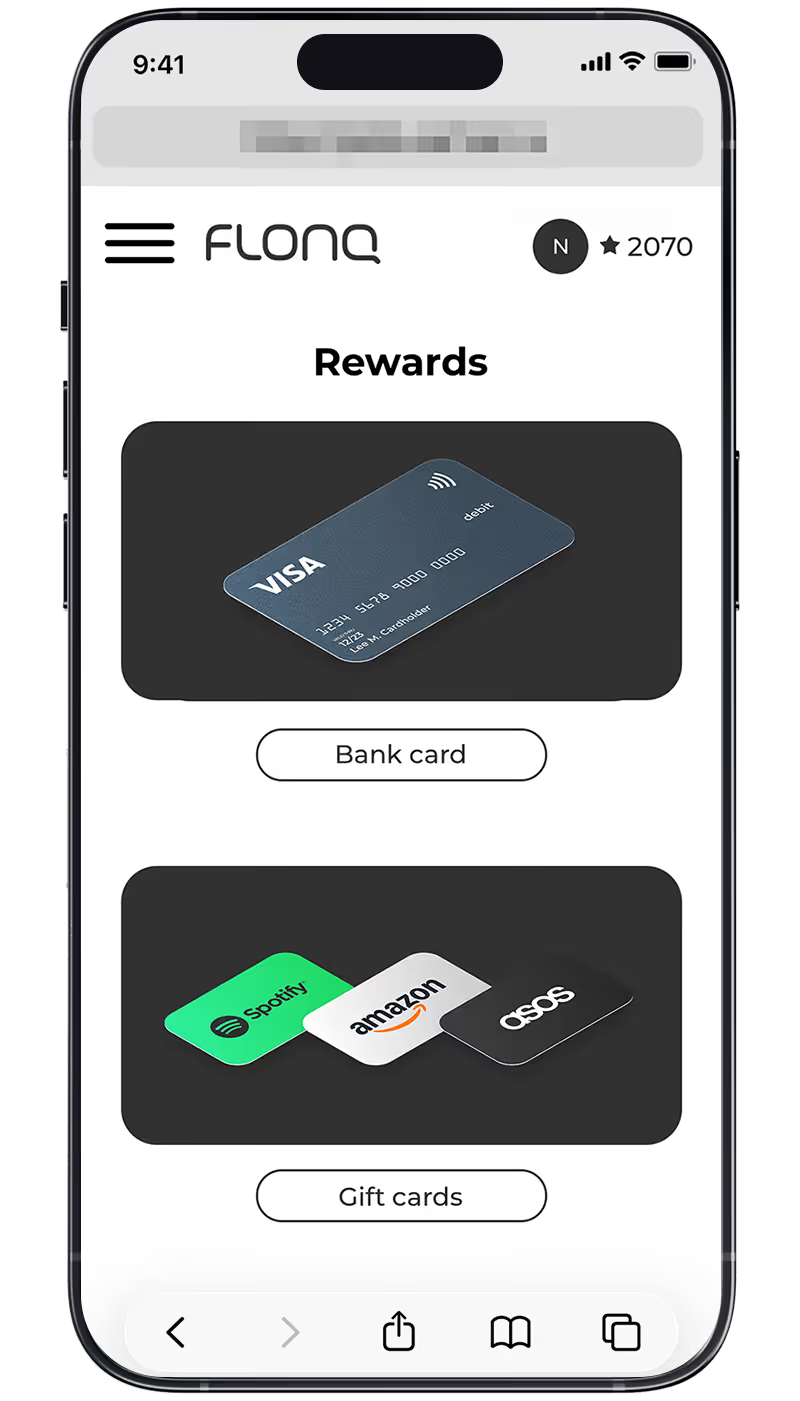
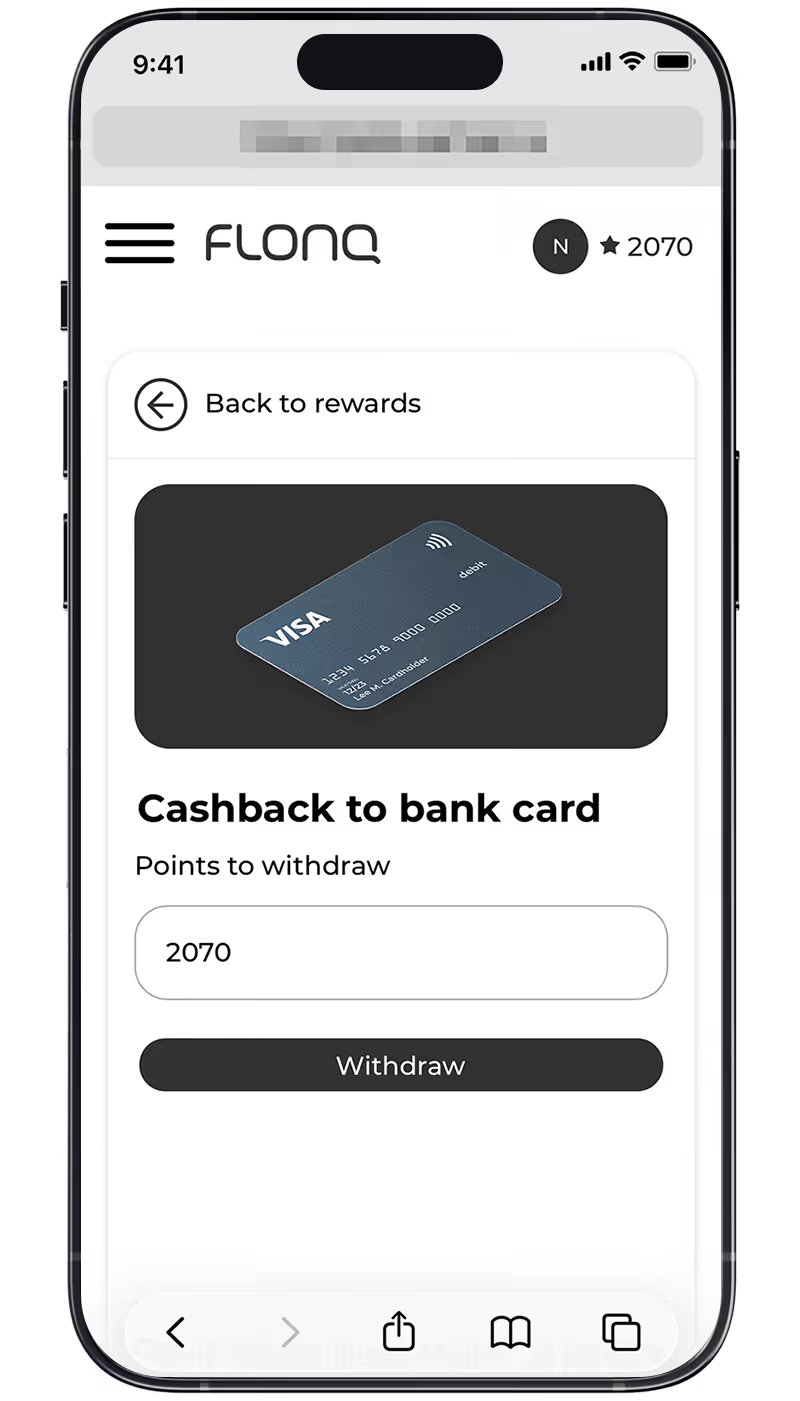
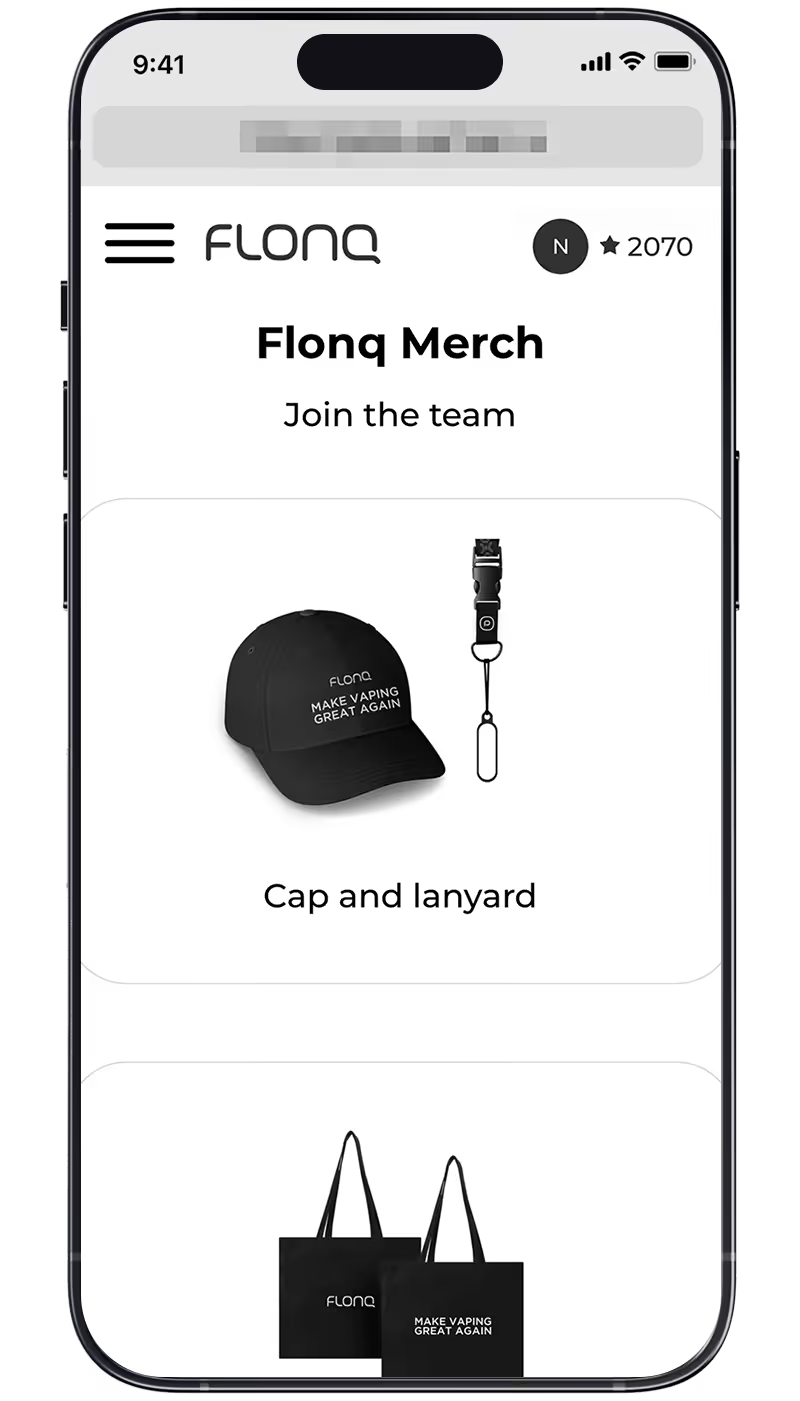
Sellers choose their reward: instant cashback to bank card, gift cards, or branded merch.
From receipt rewards to a complete retail activation engine
What started as a receipt-based clerk incentive program evolved over 3+ years into a complete retail activation system: product education, code-based verification, volume optimization, and multi-brand management on a single platform.
What FLONQ built on Shopobill
- Product Education
- 7 branded courses across 3 brands
- Buyer personas + switching scripts
- Quiz-to-reward knowledge checks
- 2x sales from trained sellers
- Sale Verification
- Receipt scan + unique code on every unit
- Covers all outlet types, including stores without receipts
- Unique codes eliminate fraud completely
- Discovered unknown retail outlets selling the product
- Volume Mechanics
- Rewards unlock only after monthly sales target
- Points expire after 2 consecutive months below target
- Bundle bonuses reward upselling multiple SKUs
- Focus on incremental sales, not passive orders
- Rewards
- Instant cashback to bank card
- Gift cards from popular retailers
- Branded merch store
- Rewards tied to performance, not participation
- 5.87M products sold
Over 3+ years of continuous growth, verified via receipt and unique code validation - 2x sales from education
Trained sellers sell twice as much as untrained sellers in the same stores - 25,000+ sellers trained
Near-total training completion rate across 7 branded courses, 3 brands - 13,000+ stores covered
Receipt + unique code verification reaches every outlet, including stores without consistent receipt infrastructure
FAQ
More customer stories