How a top-tier national tobacco distributor activates vape sell-out through its 1,000-rep sales machine.
$2B in annual revenue. A national daily route built for cigarettes. The clerk-incentive program that turns the stores on that route into vape-selling doors, one clerk at a time.
Own sales reps
Clerks onboarded
Retail outlets activated
Months of program data

.svg)
The company
The client is one of the largest national tobacco and convenience-store distributors in its country. Over $2 billion in annual revenue. 6,700+ employees. More than three decades in market. A portfolio that spans six categories: cigarettes, vape, hookah tobacco, cigarillos, energy drinks and lighters, anchored on the country-wide distribution rights for one of the global tobacco majors. Most of that portfolio is distributed brands. The in-house brands the distributor builds itself sit in just two categories: vape and hookah tobacco. The machine runs on a field force of 1,000 own sales representatives working daily routes anchored on convenience stores and tobacco kiosks (the cigarette doors), with specialty vape and smoke shops only a small part of the round.
Inside this organisation sits a small Alternative Nicotine Products Division — the team responsible for activating the parent's in-house vape brands across the same retail footprint that already sells cigarettes every day. And from its first day, the central operating reality has been simple: everything it inherited from the parent was built for cigarettes.
Cigarettes sell themselves. So do lighters. So do energy drinks. The retail customer behind the counter — the convenience-store owner or kiosk operator who orders from the distributor every week — already knows what they want from each delivery. The rep drops the order, the clerk receives the box, no conversation required. The machine runs on volume and routine.
Then the parent company added vape to the portfolio.
The reps were built for cigarettes
The 1,000-strong field force is the asset every brand in the country would pay for. Daily routes. Decades of relationships in every store. A cadence that lands product on the shelf without anyone having to ask.
The reality of a rep's day was described by the division team on the very first call: the reps pull up in a delivery van, drop off the water, drop off the cigarette cases. They are part driver, part expeditor, part order-taker. The route is built for throughput. A daily round carries 30 to 40 distinct brand tasks across the parent's six-category portfolio — most of them auto-pilot SKUs the store already knows and orders without conversation.
Vape is one of those tasks. New category. New conversation. No prior playbook. From the rep's point of view: a category where the per-task return on time spent explaining is lower than the return on dropping another case of cigarettes and moving on. So the rep fulfills vape where a store already asks for it, but rarely pushes it into a door that hasn't ordered. And where the box does land, the clerk behind the counter has no idea how to sell what's in it. Pushing harder from the rep's side was never going to move the category. Activating the clerk does: an incentivised clerk sells more vape, the store reorders to keep the shelf full, and the rep fulfills the order on the next route.
"When you have a large portfolio with sodas, water, and everything else, even if you have a rep incentive, the rep still has to learn the new category. But it's easier to sell what everyone already knows. Whatever incentive you give the rep, it can never be 100% — it's always a split across the full portfolio. Most of the time, rep incentives barely move anything. Clerk incentives — they move things."
Head of Trade Marketing, Alternative Nicotine Products Division
The trade was built for cigarettes
The reps go where cigarettes go. That's the daily route. That's the existing trade. The Active Customer Base of a leading national tobacco distributor is, first of all, the stores that sell cigarettes: convenience outlets, tobacco kiosks, small-format grocery and the wider FMCG channel that anchors on tobacco-and-everyday-purchase footfall.
Those stores all sell vape too. None of them specialise in it. The cashiers behind the counter know cigarettes by heart. Vape is a category the retail staff handle but rarely talk about. In the small share of specialty vape shops inside the same Active Customer Base, the clerks know vape well — but competition there is fierce, and the distributor's in-house brand was never their first recommendation. They have their own favourites among the pure-play vape brands. Across the rest of the inherited trade, where the distributor's reach is at its broadest, the clerks know almost nothing about vape and have no reason to learn.
This is the classic Big Tobacco position: an enormous distribution machine with an Active Customer Base built around one product, now trying to push a fundamentally different second product through the same doors. The division's strategic asset is that machine. The cost of using it is that every door in it needs to be turned into a vape door, one clerk at a time.
The mechanics built for this scale
What the division needs from the platform is dictated, top to bottom, by the 1,000-rep distribution machine. Most of the mechanics below would not exist in a single-brand operator's SPIFF program. Not because they are sophisticated, but because nothing in a smaller operator's reality forces them into being. The division runs the platform as one integrated incentive management and retail gamification stack, with field sales incentives, cashier incentives and product education sitting in the same system.
1. A personal dashboard for every one of the 1,000 reps
The rep is the bridge between the program and the inherited trade. Clerks don't sign themselves up on a Saturday afternoon — they get onboarded by the rep, store by store, on the daily route. With 1,000 reps spread across a national territory, the division needs to know which reps are onboarding clerks, which clerks were onboarded by which rep, and what those clerks did afterwards.
Every rep has a personal referral link. Every clerk onboarded through that link is permanently attributed to that rep. The rep sees a personal dashboard inside the platform showing the clerks they signed up, those clerks' ongoing activity, and which of their clerks are slowing down and need a follow-up visit on the next route.
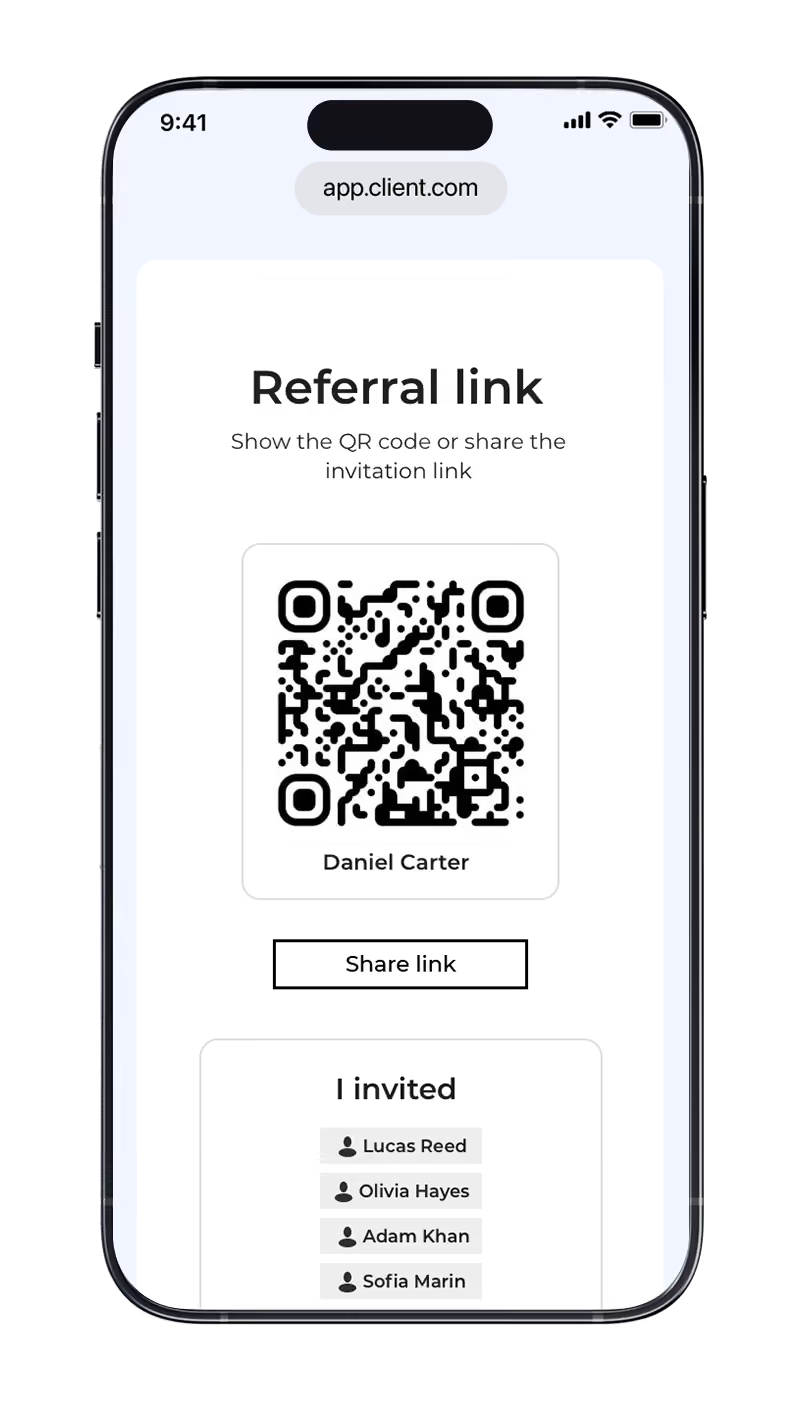
1. Personal referral QR
Rep's own QR + share link + live list of every clerk they've onboarded. The core of rep attribution.
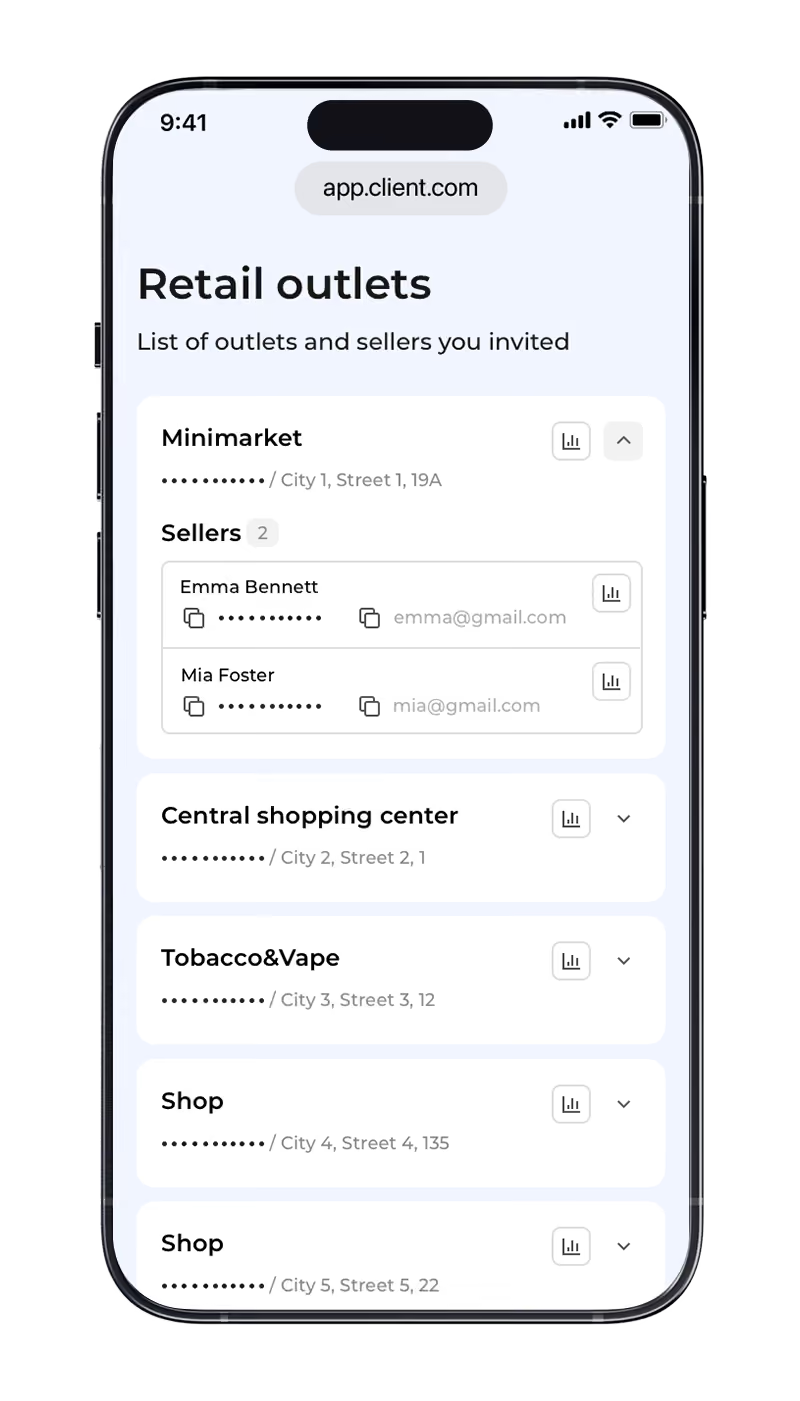
2. Outlets & sellers
Each outlet card expandable: sellers onboarded there, contact info, quick-stats access per seller.
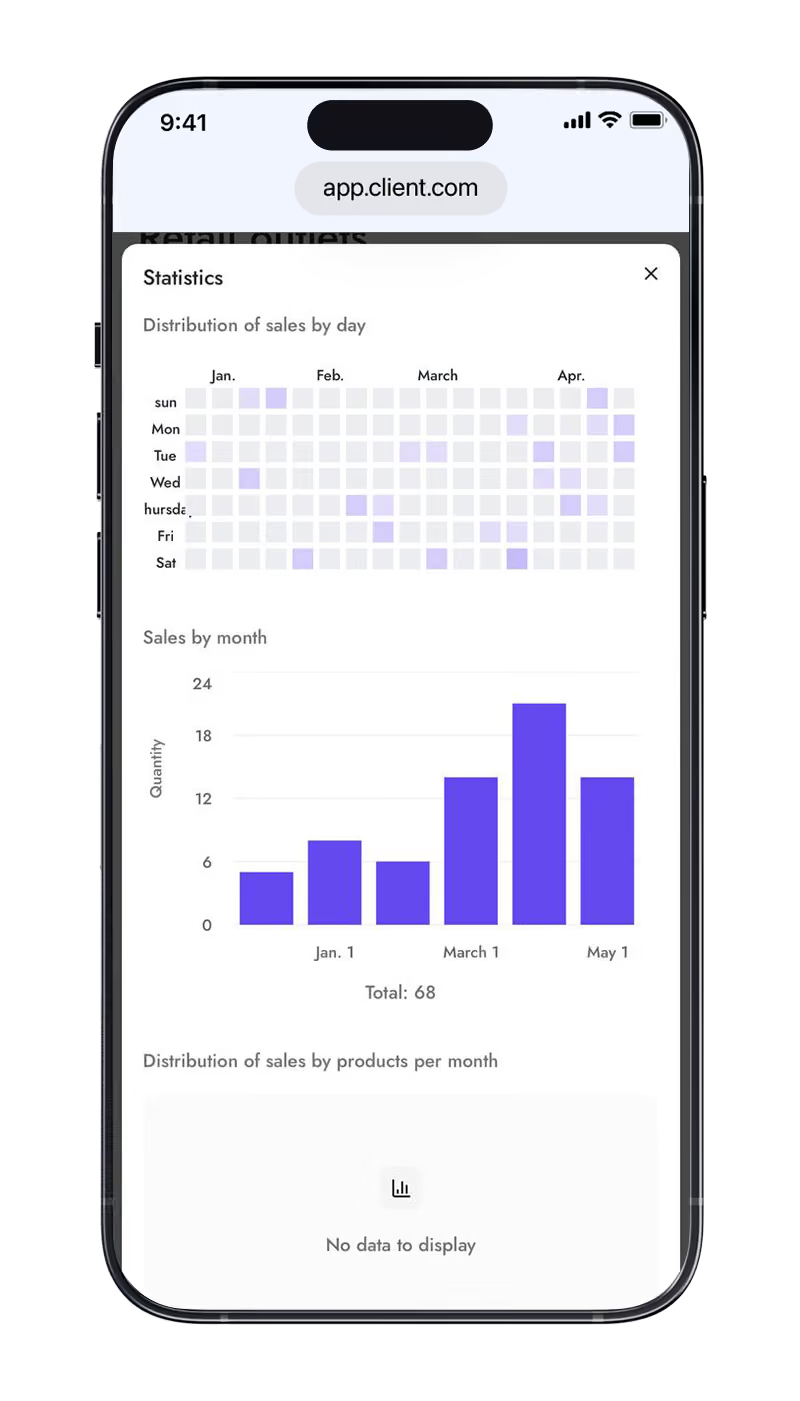
3. Per-seller statistics
Day-of-week heatmap + monthly sales chart per onboarded seller. The answer to "who's still active and who needs reminding.
"This is genuinely useful — our rep used to come back from the route saying he'd onboarded ten clerks but couldn't tell who was still active and who he needed to remind. Now he can see it all in one place."
Head of Trade Marketing, Alternative Nicotine Products Division
The rep is paid through the same platform: points convert to cash, with the same income flow the clerks themselves use. The rep has a separate prize store inside the platform, with rewards tailored for reps specifically (not the clerk-side catalogue). Standing up rep-level rewards through the program is itself an operational launch. It gives the division a single system to track, attribute, and pay every commercial actor in the chain, from the rep onboarding their first store to the clerk uploading their hundredth receipt.
2. A knowledge base for both clerks and reps
A clerk in a convenience outlet has no reason to learn a category they handle a few times a week. A rep on a 30-to-40-brand daily route cannot be a vape specialist either — vape is one task among many, and the portfolio refreshes constantly with new SKUs, new flavour profiles, new competitive context.
The platform doubles as the knowledge layer for both audiences. Every device's specs, flavour profile, selling story, competitive context, and POSM material sits inside the same app the clerk uses to claim rewards. The same content is available to the rep when they need to refresh themselves before walking into a store. New SKU launching next week? The information is inside the platform before the truck arrives. Helpdesk is open the whole time.
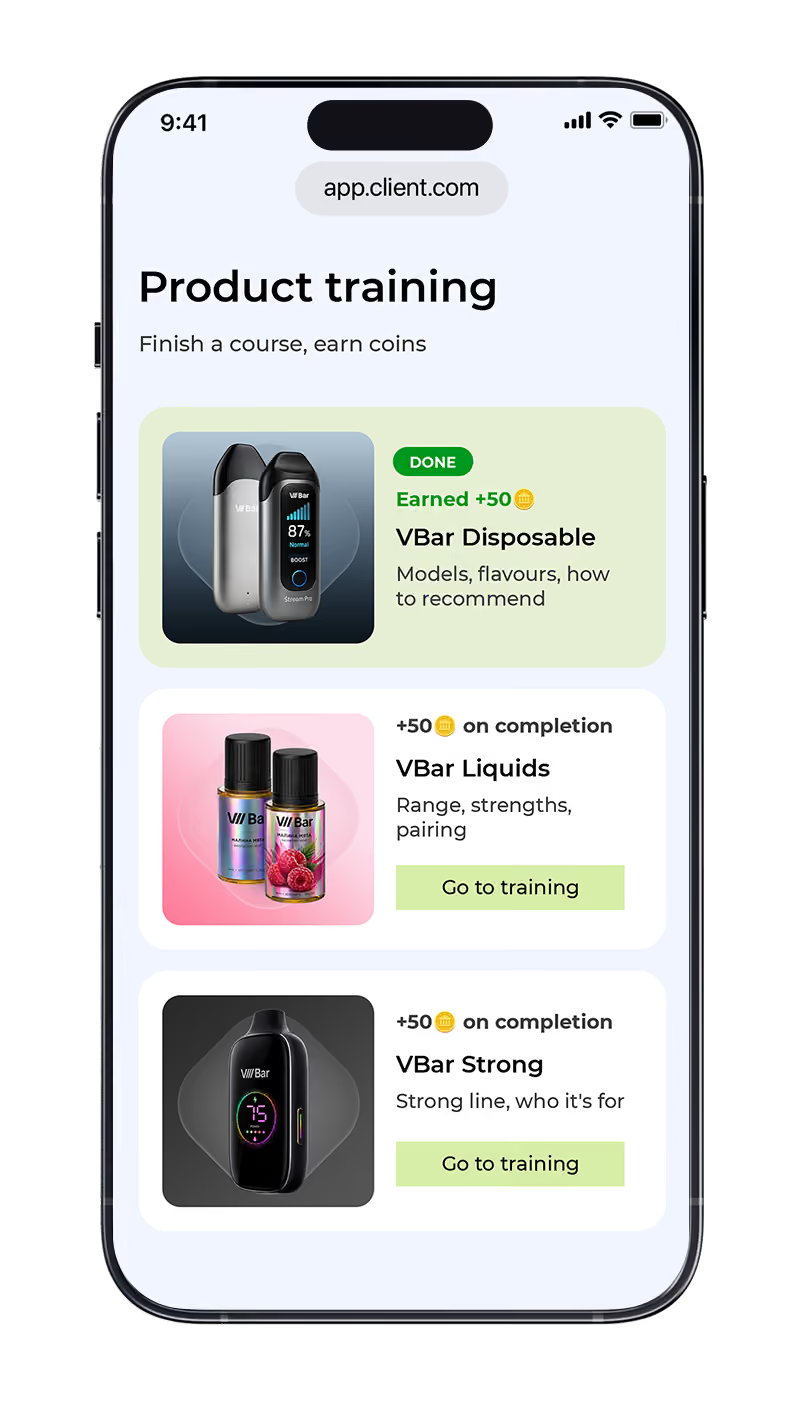
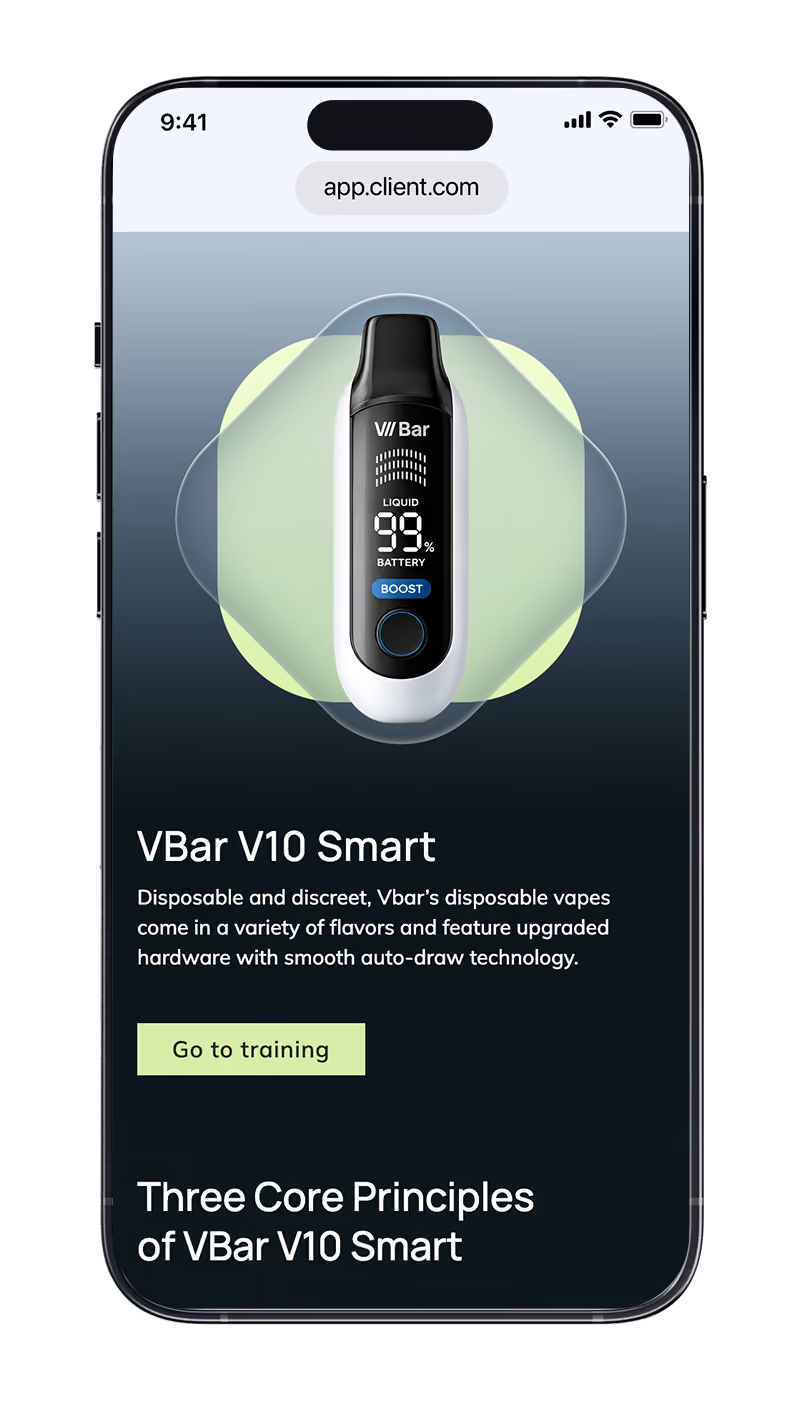
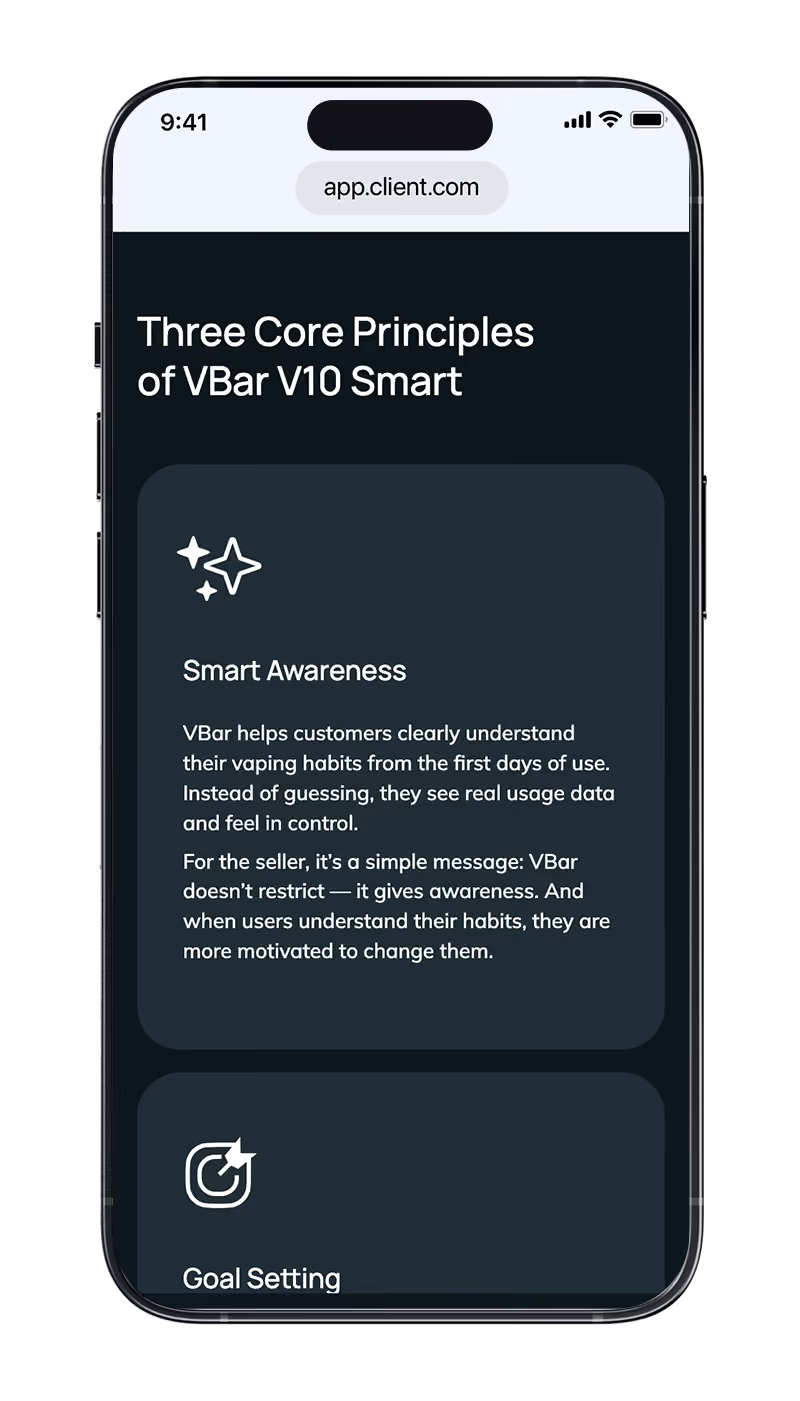
Product images anonymized for confidentiality. The live platform displays the brand's actual devices.
"It takes a big load of responsibility off the rep. Even if the rep doesn't know the assortment, or doesn't know something about the product — the platform is our knowledge base. All product information is in there. The clerk can always write to the helpdesk and we always help. This is a major advantage and we're betting on it."
Head of Trade Marketing, Alternative Nicotine Products Division
For the division this turns the platform from an incentive engine into the product education layer for the only category the rest of the organisation isn't natively set up to support. It also turns the clerks behind the counter into brand advocates who can actually recommend the product. Same app, same login, two audiences, one product story.
3. A first-week onboarding chain that completes itself
The clerk who sees the platform for the first time has ninety seconds of attention from a rep who is running late to the next stop on a 30-task route. The first-week experience had to be built knowing the rep would not walk them through anything beyond the QR code.
The flow is now structured as a single task sequence the clerk completes themselves in the first week, with a cash-value trail visible from the first second. Registration → first five device sales → first withdrawal. That is the clerk's onboarding objective, expressed as platform tasks.
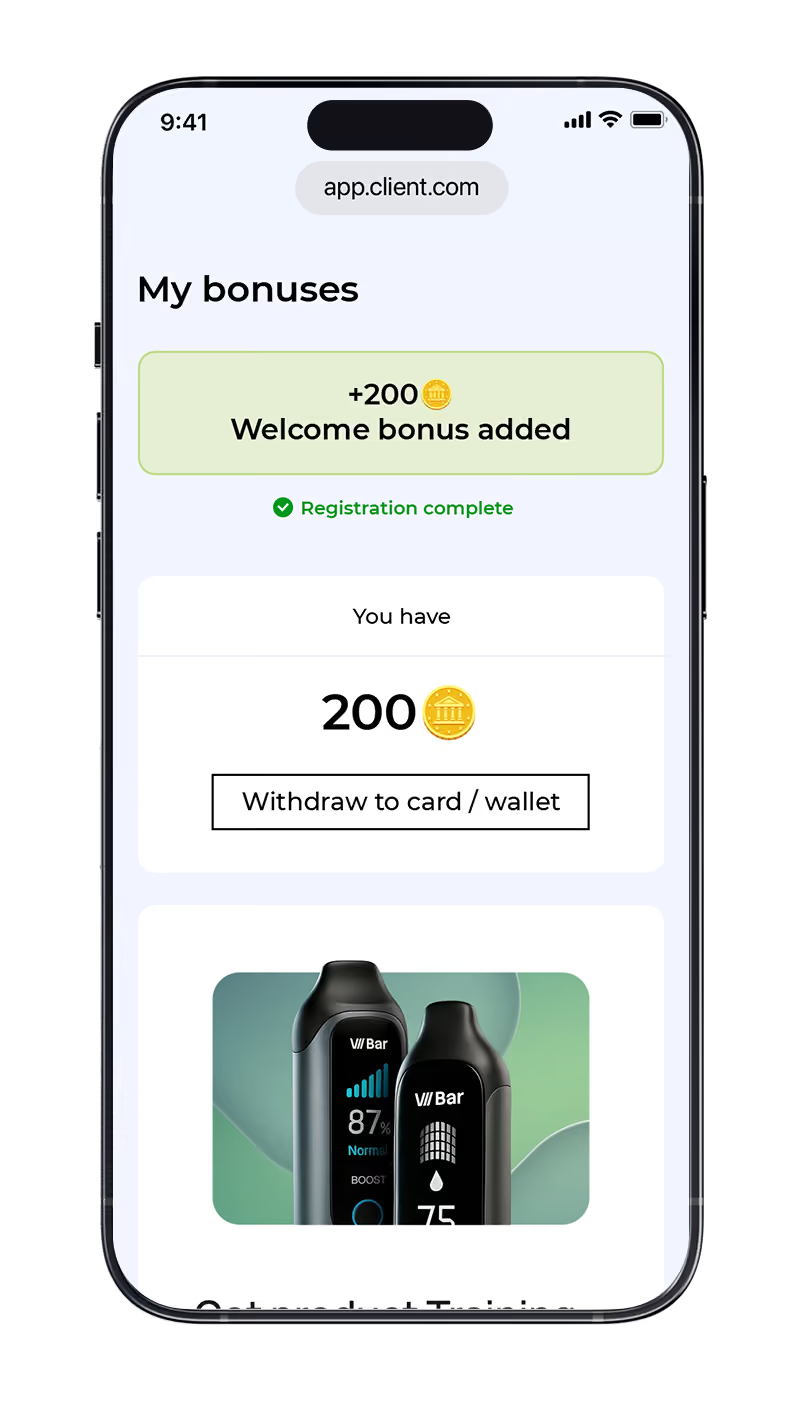
Welcome bonus
Visible on the balance immediately
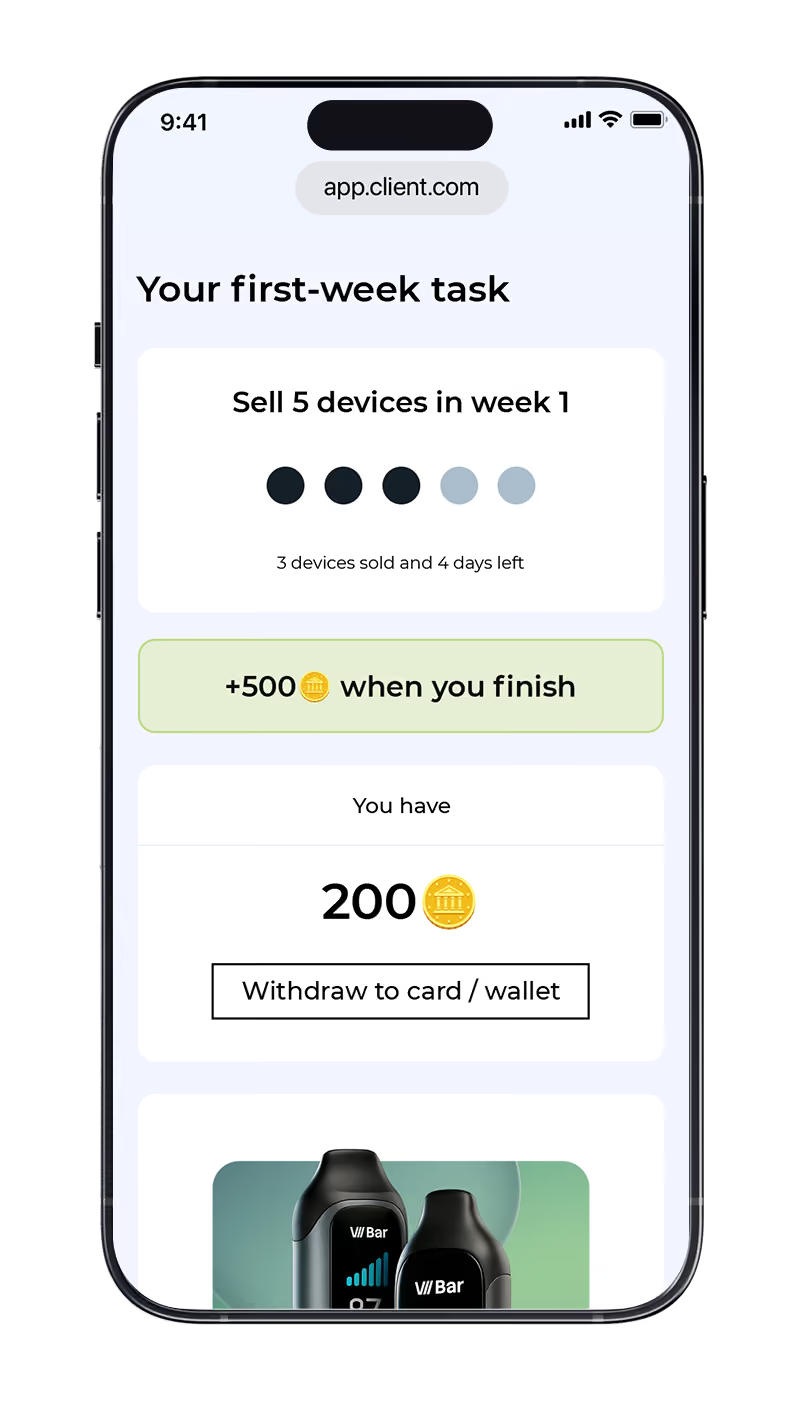
Sales-task bonus
"First five sold" mini-plan completed
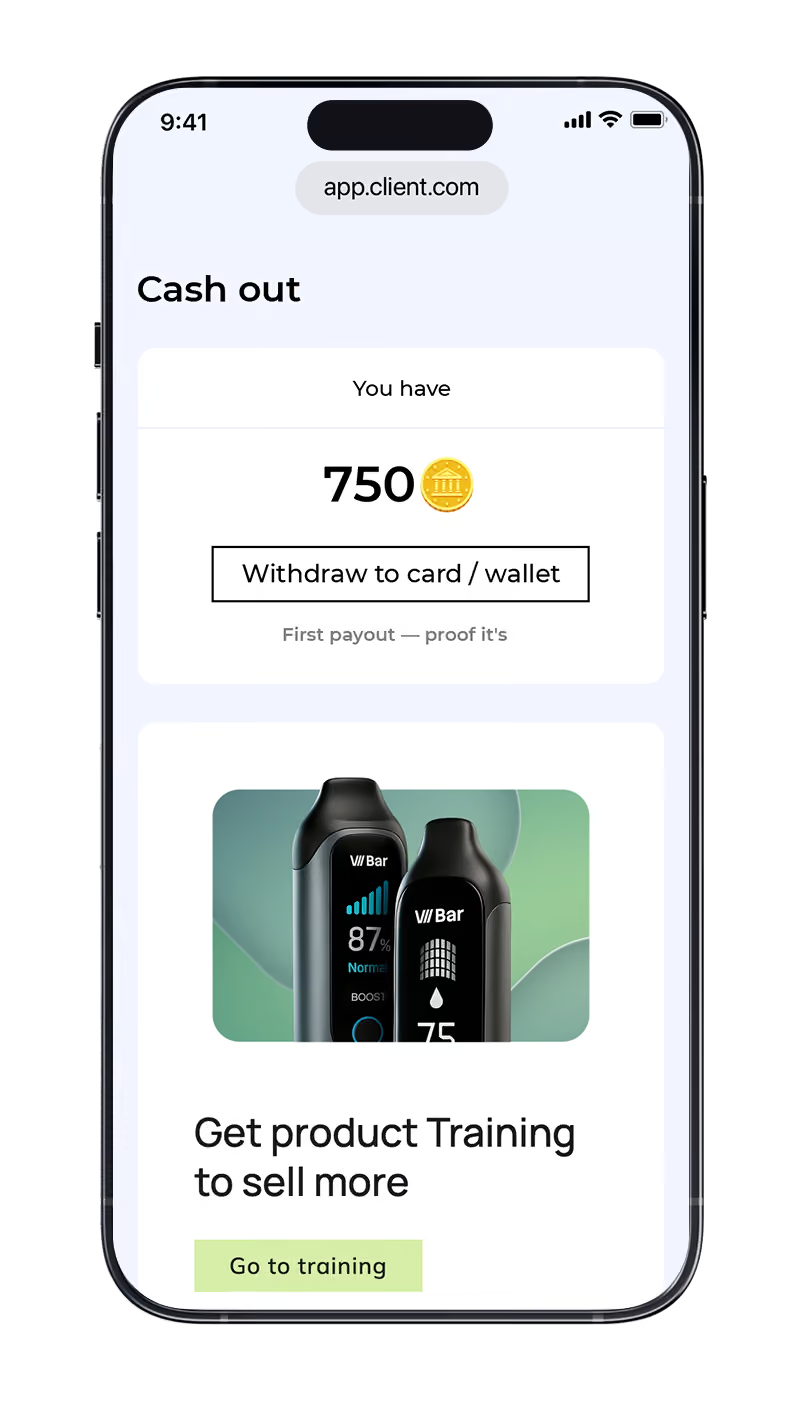
First payout
Proof the loop is real
The first payout is the conversion moment. A clerk who has hit it once will hit it again: they understand the loop and have proof the money is real. The platform's own data confirms it. Clerks who upload their first receipt within the first seven days go on to generate 2.7× more revenue, upload 2.5× more receipts, and stay 70% longer in the program than those who activate slower. Compressing that first-week window is the cheapest growth lever in the program, which is why the whole onboarding chain is built to pull the clerk to a first payout fast.
The flow exists because the rep will not have time to explain it. It was designed for the operating constraint of a 30-to-40-brand daily route and would be over-engineered for any smaller operator.
What the program now does for the division
After 18 months of compounding program data, the platform gives the Alternative Nicotine Products Division things its parent's existing infrastructure can't:
- Sell-out at clerk-and-device level, across 2,866 retail outlets, rolled up region by region, where before the parent had only sell-in.
- Rep-level attribution: which rep onboarded which clerk, and what every onboarded clerk did next, in one dashboard per rep.
- A live product-education layer for the one category the rest of the organisation was never set up to support, sitting inside the same app the clerk uses to earn.
- One system that tracks, attributes and pays every commercial actor in the chain, rep and clerk, on the same rails.
"We understood this roughly, we'd calculated something close ourselves. But you've laid it all out, every card on the table — now we can actually see it. Thank you for this."
Head of Trade Marketing, Alternative Nicotine Products Division
What's next
Eighteen months in, the program is the division's operating system for vape at the counter. The year ahead is about extending what it already proves.
- Priority 01 — Launch the next brand on the same base
The division is preparing a new nicotine brand for the same retail footprint, plugged into the same program. Same clerks, same outlets, same validation infrastructure, same knowledge base, same rep-referral attribution. A launch onto a warm base of active clerks and a working rep network, not a cold start. - Priority 02 — Move from one mechanic to segments
Shift from a single mass-market incentive to tailored mechanics by tenure, region and behaviour, so each clerk gets the nudge that fits them. Shopobill's segmentation tools isolate the group, and the reward, campaign and rep follow-up are set per segment. - Priority 03 — Keep turning cigarette doors into vape doors
Use the rep-referral dashboard to see which reps and territories are converting stores and which need a push, and keep onboarding new clerks as retail staff rotate behind the counter.
"We'd just add it to the same program, the base is already there. We've checked the sales: same outlets, same clerks. Add the new category, drop a new banner on the site, and the product is live."
Head of Trade Marketing, Alternative Nicotine Products Division
Bringing a new launch onto a program that already has a base of active clerks, clerk-and-device sell-out data, and a working rep-referral system is a different kind of launch than starting cold. That is what a clerk-activation platform built for distributor scale compounds toward.
FAQ
More customer stories