What is a retail SPIFF program and how does it drive store-level sales growth?
Direct answer: A SPIFF (Sales Performance Incentive Fund) is a reward a brand pays directly to retail salespeople for selling specific products. It is funded by the manufacturer, not the employer: the store pays the clerk's wage, the brand pays the SPIFF on top for each verified sale of its product. Modern SPIFF programs run digitally, with clerks registering online, proving sales by receipt or pack code, and receiving instant payouts.
.svg)
What does SPIFF stand for?
SPIFF is usually spelled out as Sales Performance Incentive Fund. The word is older than the acronym: it was 19th-century retail slang for a bonus on hard-to-move stock, and the acronym was backfilled more than a century later. You'll also see it written spif, or called "push money." Same thing everywhere: a per-unit reward for selling a particular product.
How does a SPIFF work in retail?
The mechanic has three moving parts. The brand defines which products earn a reward and how much. The clerk sells one and proves the sale. The reward gets paid.
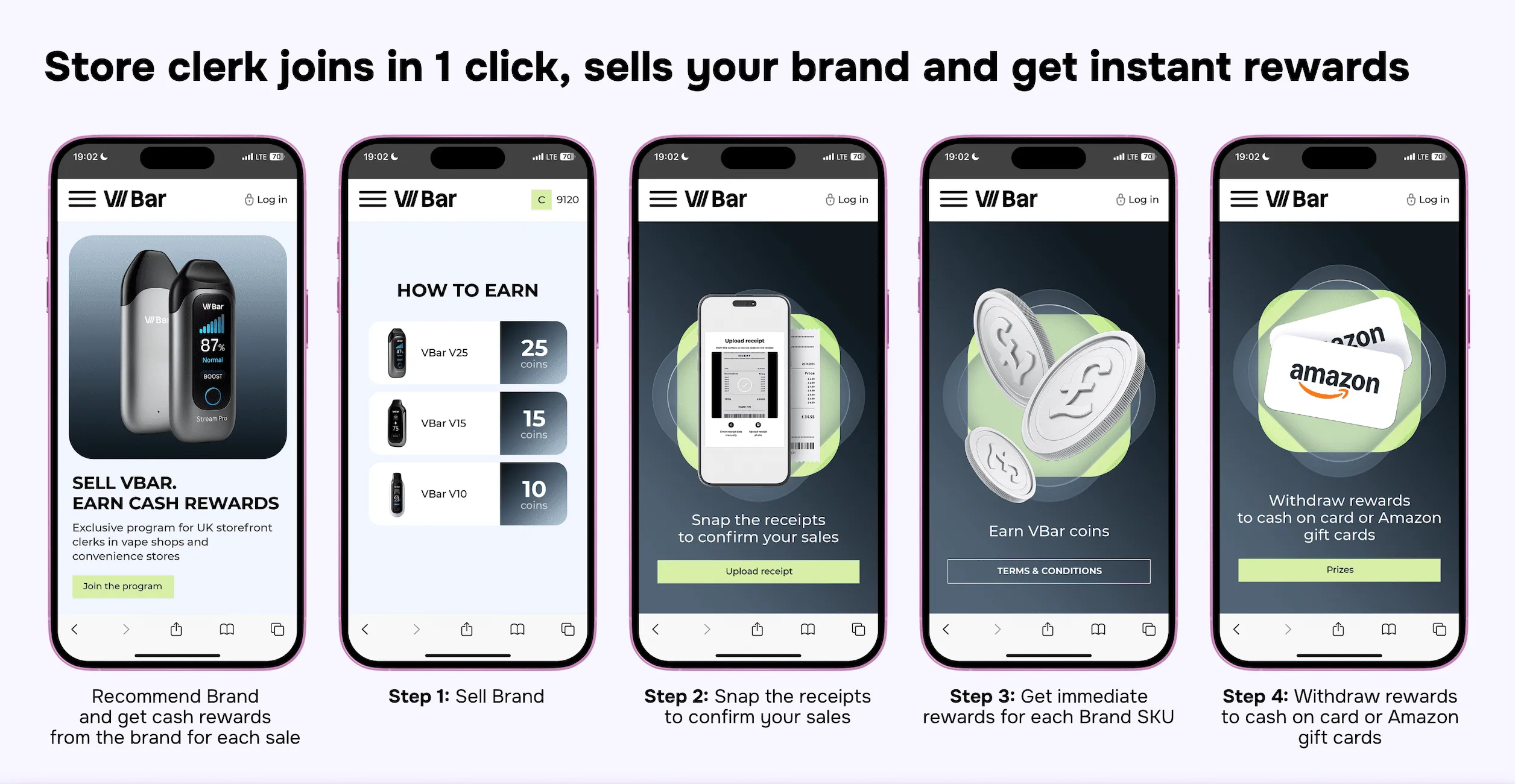
What changed over the last decade is the plumbing. Old SPIFFs ran on paper: a rep visited the store, counted boxes, handed over envelopes. A modern SPIFF program is digital end to end. The clerk registers once on the program's website, no app download. Each sale is verified automatically, points land in the clerk's account within seconds of validation, and clerks cash out to bank card, Venmo, PayPal or gift cards, with the payout method tailored to each market. The brand watches sell-out by store, product, and clerk on a live dashboard.
How is a sale verified without POS integration?
This is the question that decides whether a program works in your channel, and there are two answers.
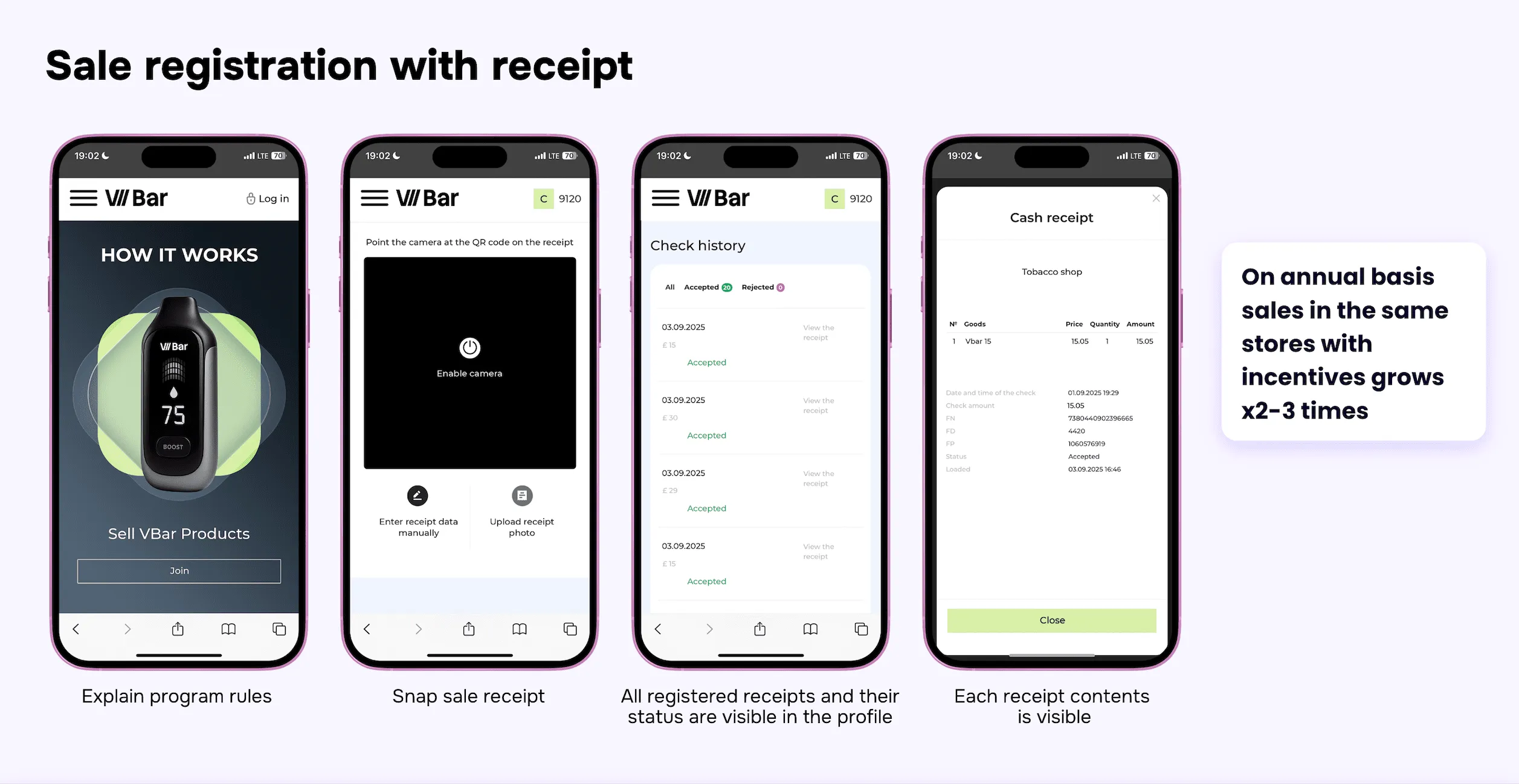
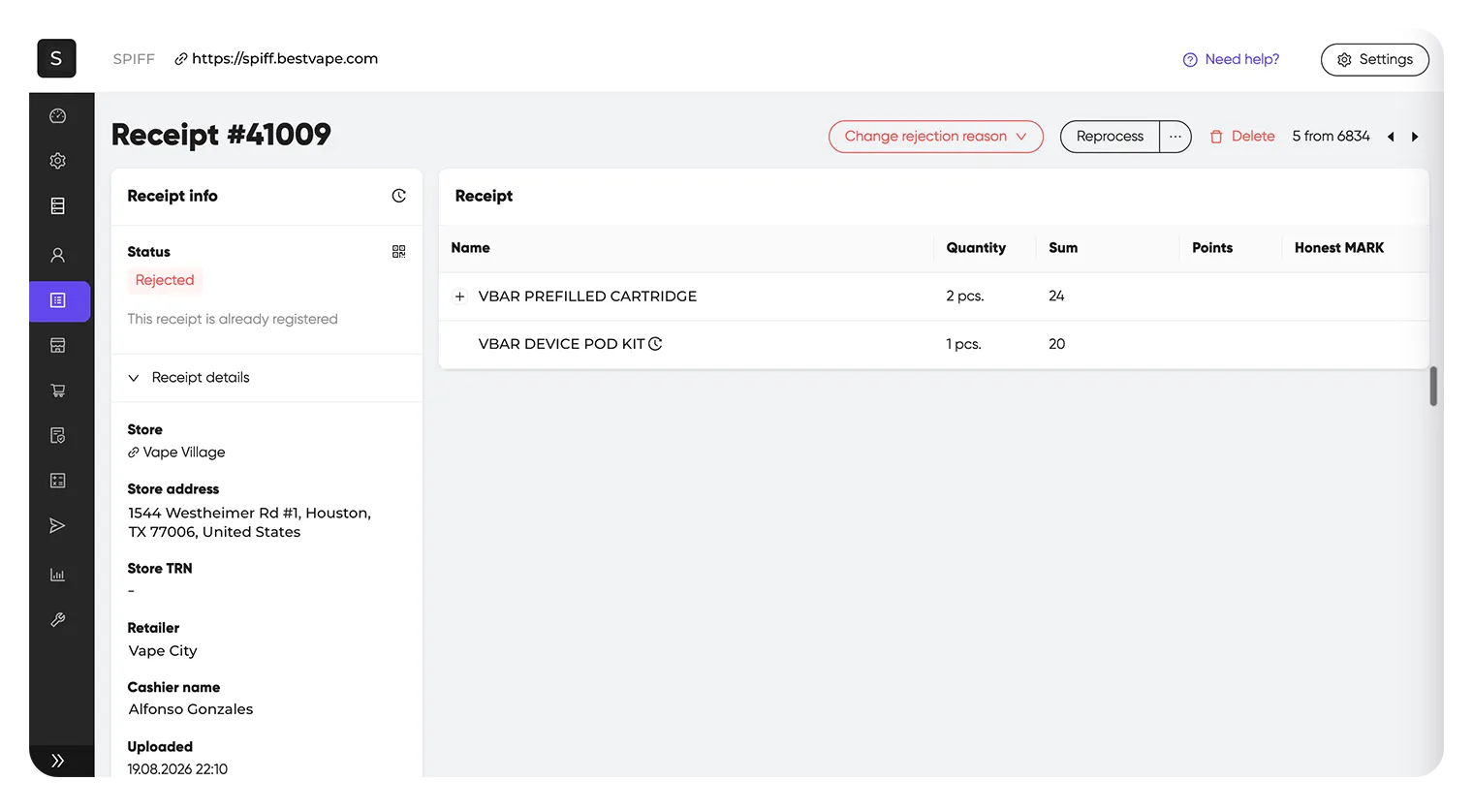
Receipt validation. The clerk photographs the sales receipt; the system registers and timestamps the submission, recognition extracts the retailer and the products, and the system matches them against the program's SKU list. No integration with the store's till, which means the program works in any store on day one. Where stores reliably print receipts, this is the default.
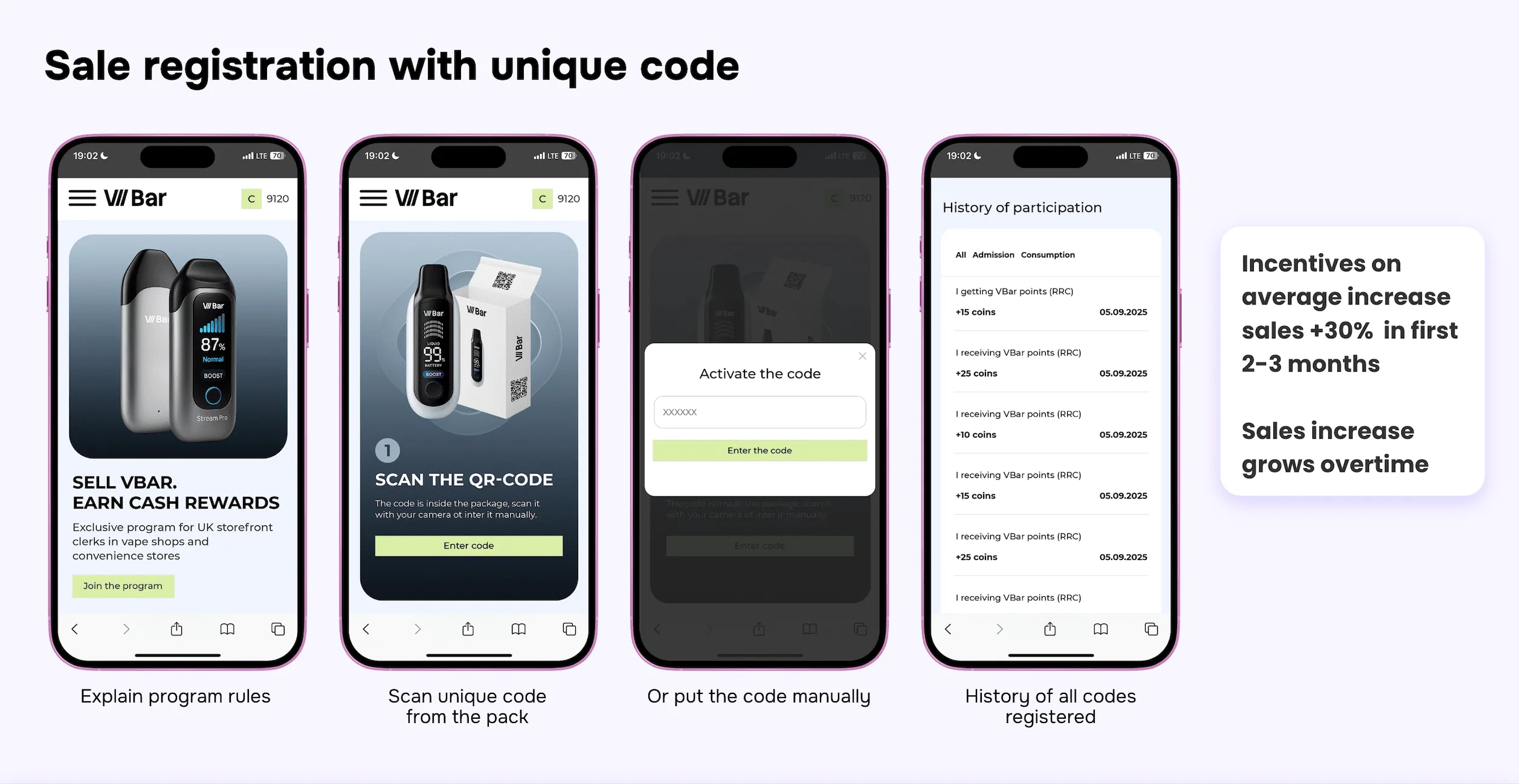
Unique codes on the pack. In a lot of independent retail, receipts are the weak link. Kiosks, general trade, and a large share of vape and smoke shops simply don't print one for a cash sale, and in tap-and-pay stores the receipt often exists only inside the card terminal. Code-based programs solve this by making the pack itself the proof: each unit carries a unique code under a scratch layer or flap, and the clerk scans it at the moment of sale. The code can only be redeemed once, so the verification survives channels where paper never existed.
Which mechanic fits is a channel decision the brand makes at setup: receipts where your stores print them, codes where they don't.
One more option is arriving with regulation. In countries that run a track-and-trace system for the product category (the EU already operates one for tobacco, and it is being extended to other nicotine products), the SPIFF program can integrate with it and use the track-and-trace unique codes that are already on every pack for sale validation, with nothing extra printed on the packaging.
How do you stop clerks from gaming the system?
Nearly every brand and distributor asks some version of this on a sales call: "What's stopping them from just going to the shelf and scanning every single barcode?" "If two clerks submit the same receipt, will it flag the duplicate?" The honest starting point is that the moment real money attaches to a sale event, somebody tests the system. The pressure scales with the reward size, and the design goal is to make gaming cost more than it pays. The schemes are known, and each one has a specific control:
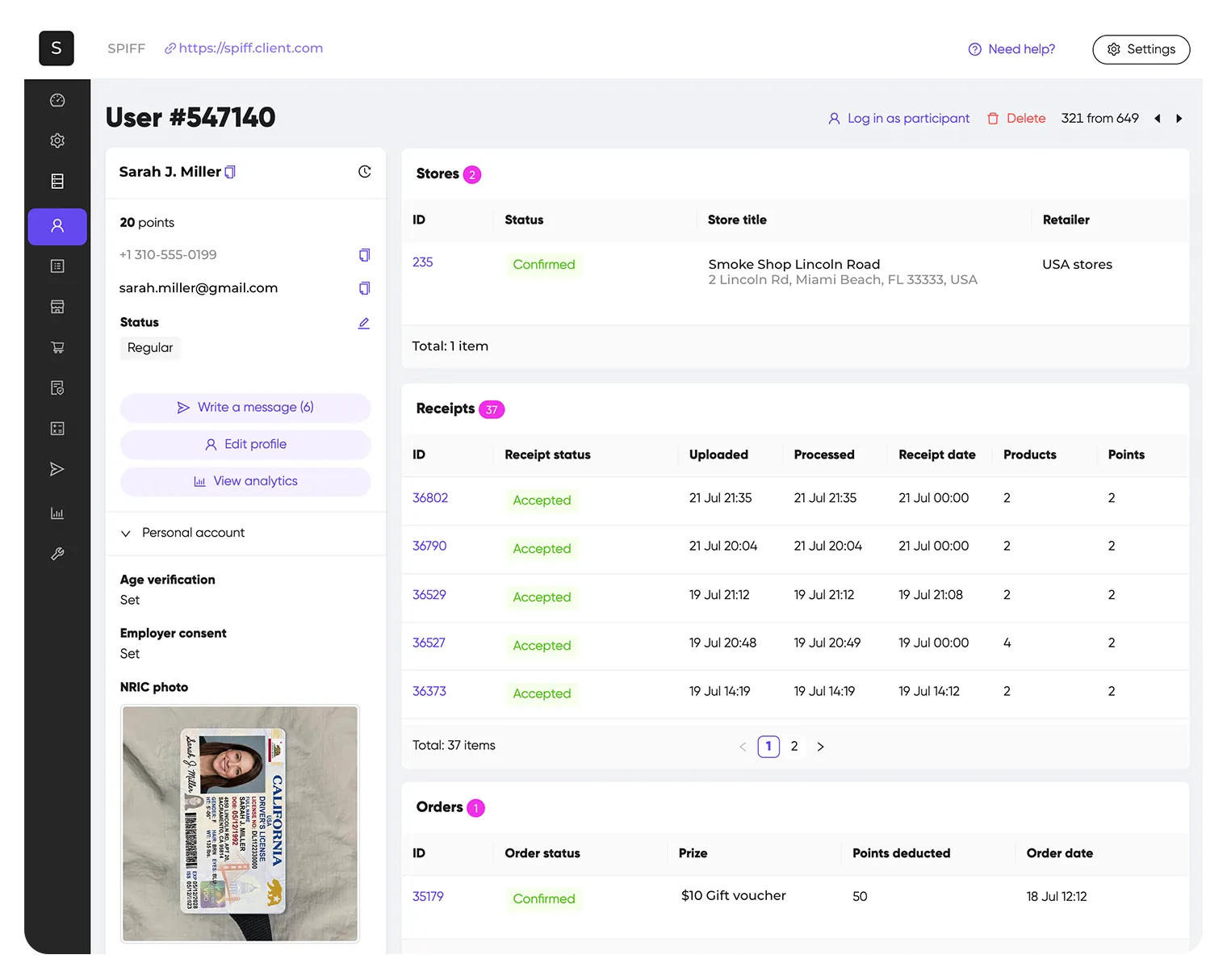
This is also why fraud control is the strongest argument for running the program on a full platform instead of by hand. With hundreds or thousands of participants, manual moderation is impossible, and none of these schemes shows up in a single submission: a duplicate only surfaces against every receipt already in the system, an inflated volume only against that store's own history. Suspicious behavior lives in patterns, and catching it takes a platform that sees every submission, account and store in one connected place, while a clean submission still validates and pays in seconds. What the brand keeps is the audit trail: every reward mapped to a documented, verified sale. That line-item auditability is what lets a finance team sign off on scaling the budget, and it is the difference between an incentive program and cash in envelopes.
Are SPIFFs legal?
Yes. Brand-funded staff incentives are standard trade practice. What a well-run program takes care of: the clerk's employer is aware and doesn't object, participants are verified adults, every reward is tied to a real sale, and rewards are handled as taxable income. In regulated categories like tobacco and nicotine there are extra guardrails, and a purpose-built platform ships with them already in place. The full breakdown is in our guide to compliant cashier incentive programs.
SPIFF vs commission vs rebate vs loyalty program
These get mixed up constantly. The differences are simple:
The one that actually reaches the person standing at the counter is the SPIFF. A rebate improves the store owner's margin, and a loyalty program rewards the shopper, but neither gives the clerk a reason to say your brand's name when a customer asks "what's good?"
Who uses SPIFFs?
Almost every retail category with a salesperson in it, and in the US brand-funded staff incentives are simply part of how retail works:
- Tobacco and nicotine: cigarettes, tobacco products, vapes (disposables, pod systems, e-liquids), and nicotine pouches, sold everywhere from gas stations and convenience stores to vape shops and smoke shops; the heaviest users, because advertising restrictions leave the counter as the main channel
- Consumer electronics: phones, accessories, wearables at carrier stores and electronics counters, where the associate's demo decides the model
- Appliances, furniture and mattresses: big-ticket single sales with large per-sale rewards
- Automotive: from the car itself at the dealership to oils, lubricants, tires, batteries, and spare parts sold over the parts and service counter
- DIY and construction materials: power tools, paints, fasteners, building supplies at hardware counters and trade desks
- Sporting goods and outdoor: skis, bikes, running shoes, gear that staff fit and recommend
- Apparel, footwear and eyewear: specialty retail where the associate's pick closes the sale
- Pet products: food and care brands competing for the counter recommendation
SPIFFs matter most where the clerk's recommendation decides the sale, and that happens for two reasons. Either the category needs professional advice: the product is complex, the shopper doesn't know it well, and choosing without help is hard. Or the store itself is hard to navigate: no planogram, dozens of brands, a wall of similar-looking products. Vape retail is both at once. The shopper asks the cashier or clerk behind the counter, and whichever brand that person names goes in the bag. And in nicotine, where advertising is restricted in most markets, that recommendation is also the last legal channel to the shopper.
How does a SPIFF program drive store-level sales growth?
Here is the problem SPIFFs exist to solve. A brand ships stock to a distributor, the distributor sells it into stores, and then the product sits on the shelf. If it doesn't move, there is no reorder, and most brands have no mechanism between the first push and the reorder except hope that shoppers pull it through. Anybody can get a product into a store once. The second order only happens when the first stock sells out.
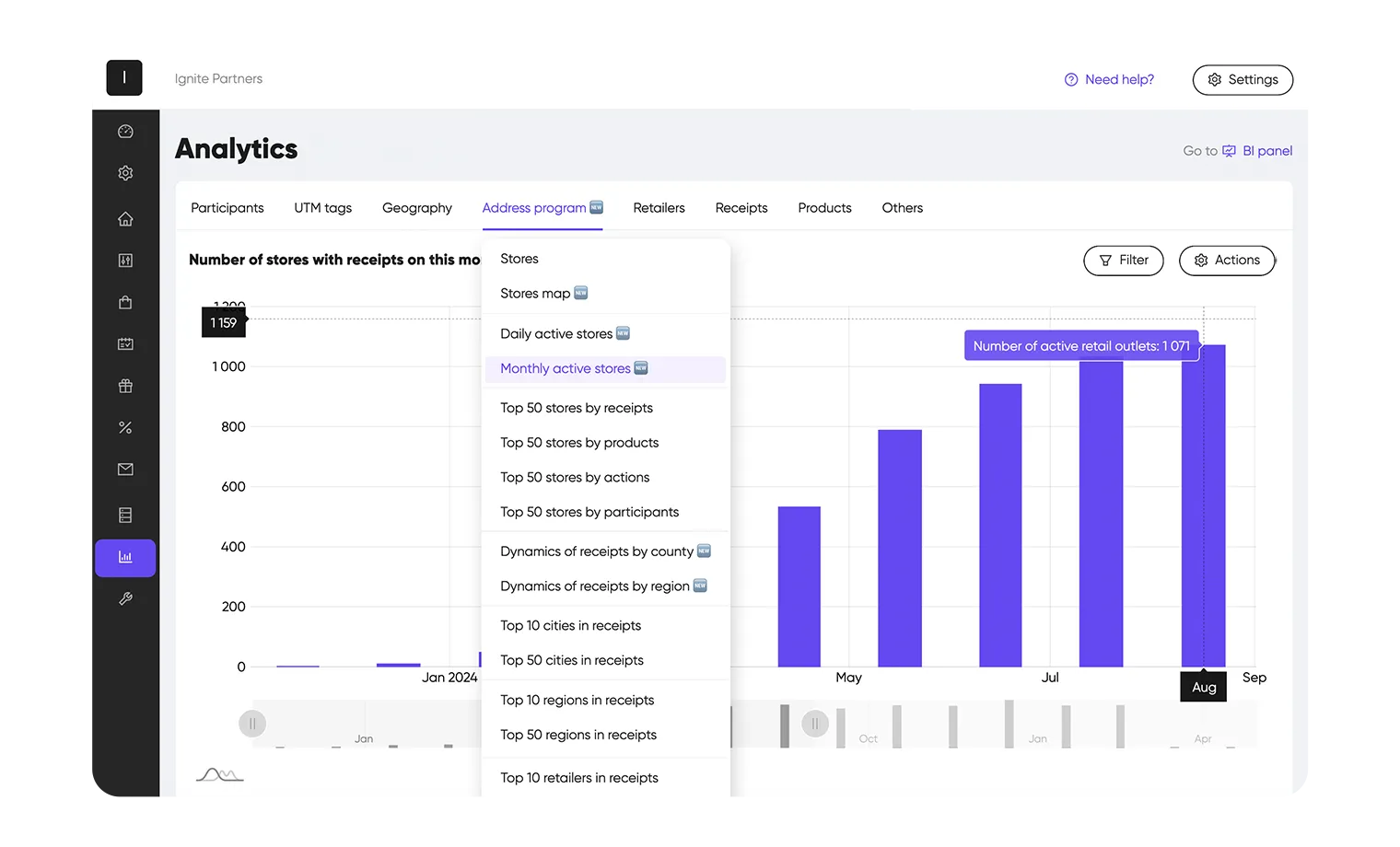
A SPIFF fills exactly that gap. The clerk has a reason to recommend the product, units move, the shelf empties, and the store reorders because it needs stock, not because a rep asked nicely. Education multiplies the effect: a clerk who can't explain a product won't recommend it, and a clerk who has finished short product training sells about twice as much as one who hasn't. Every verified sale also lands in the brand's dashboard as store-level sell-out data, and for brands selling through wholesale distribution this is often the biggest hidden value of the program. Most of them don't know which exact stores carry their product; the distributor knows and rarely shares. The program builds that picture as a by-product: the actual retail customer base, store by store, live sell-out of the goods, and the contacts of the people who influence the sale, ready for direct reach-out and activation.
What to expect depends on the base you start from, and honest expectations beat impressive ones. A challenger launching from a small base can grow several times over within a couple of months, simply because the starting line is the floor: Sebero, a hookah tobacco company, compounded 26x sell-out growth over the first year of its Shopobill program. In nicotine and similar recommendation-driven categories, the common picture is 2–3x same-store growth against baseline: FLONQ, a leading vape brand, doubled sales from trained retail staff across 13,000+ stores, Ignite, starting from zero in its market, moved 170,000+ products through 2,791 stores in 15 months, and the best programs reach 10x. For established or higher-priced products, where each recommendation shifts fewer, bigger purchases, the multiples are smaller. But across categories, a well-structured program should deliver at least +30% in the same stores by month three. Treat that number as the floor, not the ceiling.
One structural point: a SPIFF is not a one-off promotion. The build is fast, with a branded campaign microsite standing up in days, but retail takes time to digest a program: clerks register, the first payout lands (that's the trust moment), and word spreads behind the counter. That is why incentives work best as continuous multi-month or always-on programs. The flywheel you have nurtured by the end of month one is exactly what starts producing in the months after; cut the program there and you kill it at the moment it starts paying, leaving most of the results uncollected.
How much should a SPIFF payment be?
The reward comes out of the brand's per-unit margin, so the honest math is uplift math: the extra units the incentive sells have to more than compensate the margin given up on each one. That is the whole ROI calculation. It also means the incentive should be customized to the exact product line, because categories carry different margins and even models inside one portfolio differ; a flat reward across everything is usually wrong. In nicotine products, per-unit rewards usually run between $0.20 and $1 and are typically tuned to the model: a 5,000-puff device carries a lower reward than a 20,000-puff one, and a can of pouches or a bottle of e-liquid a smaller one than a vape device. Sebero's 26x program above ran on roughly $0.30 a unit. A challenger brand entering a crowded shelf pays toward the top of the range to buy attention; an established brand can pay less because the clerk already knows the product. Big-ticket categories are a different world: one mattress or appliance sale can carry a reward of $50 or more.
The bag of groceries rule
The per-unit rate also matters less than brands fear. A common assumption is that anything below a dollar a unit can't motivate anyone, and it misreads who is behind the counter. Staff in independent retail usually earn minimum wage, often on partial shifts. For them, an extra $5–$10 from the program is a real win: money that goes to groceries or gas. The number that changes behavior is what the program adds to a clerk's month, not the rate on a single unit. Run the math from the clerk's side first, and a modest per-unit reward at realistic volume usually already lands as income the clerk genuinely feels.
Two simple settings protect the budget at scale. A minimum withdrawal amount means a clerk needs a certain volume of verified sales before their first payout, so the program only ever pays for real selling. And points expire after long inactivity, so budget doesn't stay reserved for people who registered and never sold.
Established brands add one more structure, because their worry is different: paying for sales that would have happened anyway. A market leader rewarding every unit spends most of its budget on its own baseline. The fix is targeting: per-SKU rewards on the products you want to grow, and thresholds that only pay above a store's normal run rate, so the budget buys incremental units, not applause for existing ones.
How much does a SPIFF program cost?
Four budget lines, in descending order of size.
The incentive fund is the biggest one. This is the money that goes to the sellers, and it is calculated from the mechanic: which SKUs earn a reward, at what per-unit rate, across how many stores, at what expected volume. Sizing it properly means building an ROI model of the program before launch. We do this with clients, bringing the sales-uplift benchmarks we have seen in each category.
Taxes on the rewards, depending on the market. A participant's SPIFF earnings are additional income, and markets treat it differently: some tax and report from the first dollar, others set meaningful thresholds for small incentive income. In the US, for example, the program files a 1099 for a participant only after rewards pass $2,000 in a calendar year. Where legislation allows, the brand chooses: absorb the tax burden into the incentive budget, or place it on the participant.
Payment processing. Cash-equivalent payouts, bank card top-ups above all, usually carry a processor commission of 1–5% depending on the market and the rail. The same choice applies: digest it inside the program's unit economics, or deduct it from the payout before it reaches the participant.
The platform to run it on. Building one from scratch with an internal team or an agency is a capex project plus the time it takes, and the spend doesn't end at launch: maintenance and new-feature development become a continuous line. Using an existing platform turns all of that into a subscription. Shopobill charges for the technology as a subscription and provides the full functionality at once, with no feature gating.
How do clerks join a SPIFF program?
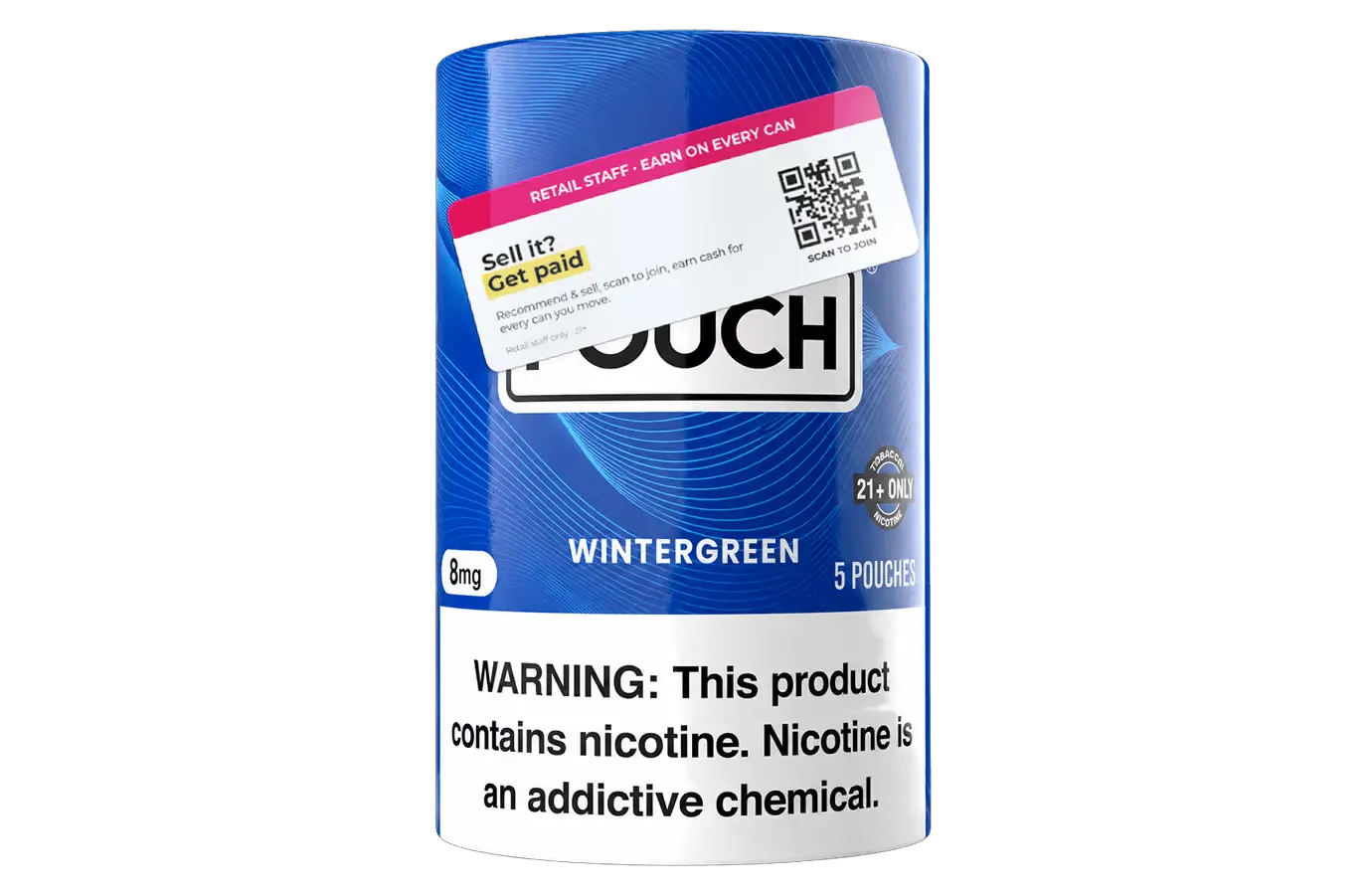
Recruitment strategies vary with the channel and with the resources the company already has in place. The most common routes are the product itself, the brand's existing retail marketing channels, and the product information that already travels into stores with every delivery.
Whatever the route, joining is deliberately simple: the clerk opens a mobile website on their phone, with no app to download, registers in 30 seconds, and can submit the first sale right away. The simpler the signup, the more sellers finish it.
Do store owners allow SPIFF programs?
Owners react in three ways: some welcome anything that moves product, some ask the obvious question ("you're running this through my store, what's in it for me?"), and some prefer to decide themselves what their staff takes part in. The answer to all three is the same: the program runs in the open, with employer awareness built into registration, which is how a compliant program is structured anyway. And the reality is that with the right channel fit and program design, a SPIFF is a win-win for everyone involved:
- the store owner or distributor gets faster rotation and a higher-earning store,
- the clerk gets extra income for selling well,
- the brand gets sell-out growth.
For the owner the win is bigger than it looks. Retail staff turnover is high and salaries are modest, so a brand paying their people extra helps keep them, and makes it worth investing time in training them to sell better. And a brand that actively drives its own sell-out removes the owner's biggest risk: stocking a product that then sits there, occupying shelf space without velocity.
In practice the question comes up less than brands expect: in the independent stores where SPIFFs matter most, the owner is often behind the counter selling, which makes them a participant. And for brands that want both sides engaged, there is a structure for that too: an owner account with visibility into the store's activity, and in some programs a reward layer for the owner on top of the clerk's.
What makes a SPIFF program successful?
Paying per unit is the easy part. The programs that move sell-out get these things right:
- Easy to join, easy to use.Registration takes 30 seconds and the clerk can submit the first sale right away; that immediacy is what creates velocity in a young program. From there the clerk's profile does the retention work: transparent points and payout history, the status of every submission, and a clear path to resolve a problem.
- Fast payouts, in the form clerks actually want.The first payout is the trust moment. Programs that validate in seconds, pay without delay, and offer the payout method that fits the market hold 70%+ of enrolled clerks active.
- Mechanics that follow the business objective, and change with it.Per-unit rewards to get a new product moving, volume targets once it has traction, different rewards for different product lines. This is what changes behavior at the counter while keeping the incentive fund optimized.
- Reliable sales verification.Suspicious behavior surfaces in the panel, abusers get flagged and restricted, honest sellers get supported, so the budget pays for real selling.
- Education that multiplies results.Not an entry gate: clerks start selling from day one, and product training is an additional, rewarded step. It pays off because a clerk who knows the product sells it more easily: trained sellers sell about twice as much.
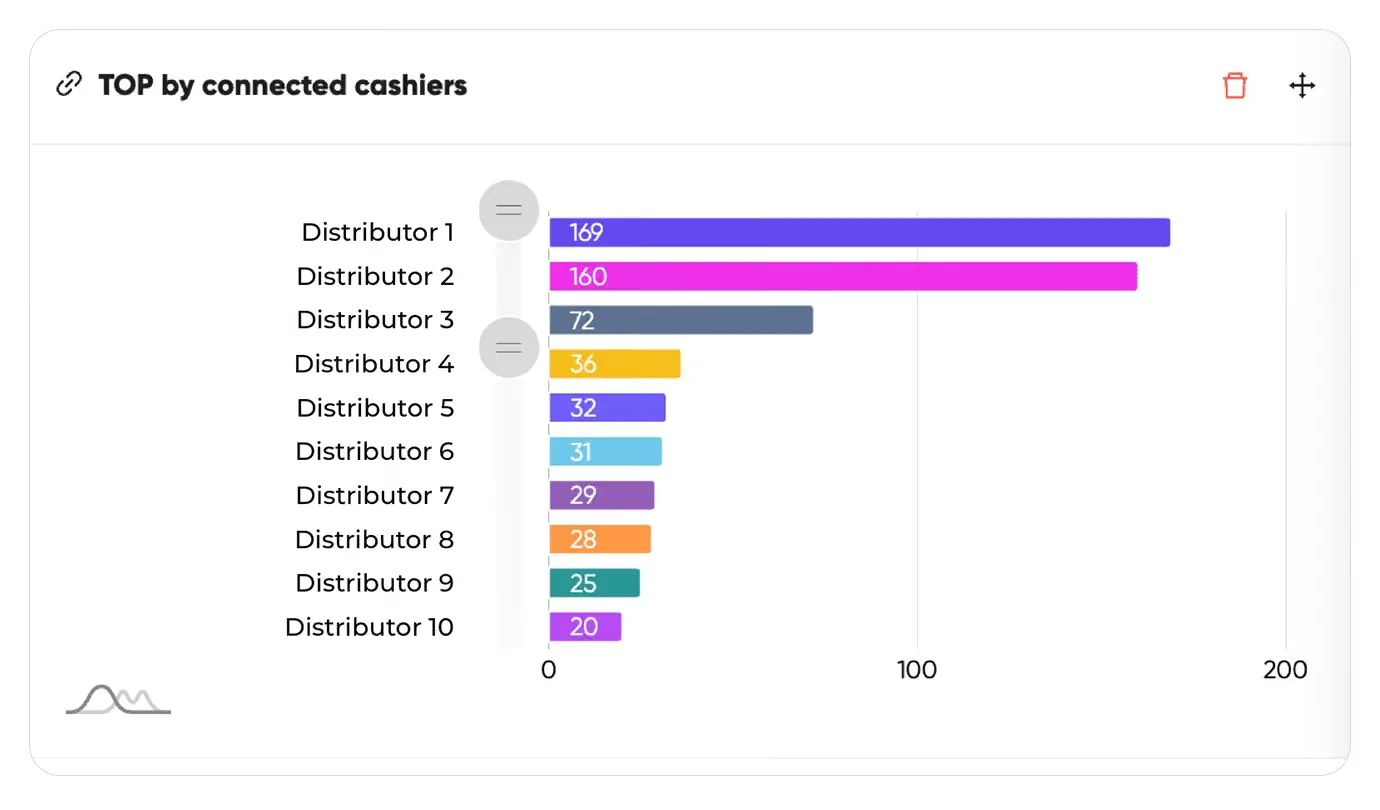
- Value for every role involved.Sales reps and distributors plug in with referral tracking, and each sees their own contribution: a rep sees what the stores and clerks they connected are selling, the brand sees how each distributor performs and where to lean in, and brand managers see sales by product line and SKU, down to which complementary products appear in the same receipts.
- A data asset that stays.The program digitizes the brand's real store base: stores, clerks, purchase and activity history: a customer base most wholesale brands have never had.
- Programs that speak to each segment differently.Participants sort by velocity and maturity: one mechanic pushes newcomers to their first sale, another challenges the champions already selling a hundred units a month, actives get nurtured toward champion level, fading participants get caught before they churn, and dormant ones get reactivated.
All of it is technology, which is why a successful program is a platform decision as much as a budget decision. Shopobill is a SPIFF platform built for regulated categories, running retail staff rewards and clerk incentive programs end to end: campaign microsite, retail gamification mechanics, receipt and code validation, product education, automated payouts, and live sell-out data, used by 35+ nicotine brands. See the platform for brands or pricing.
Frequently asked questions
-
What does SPIFF stand for?

-
Is a SPIFF the same as a commission?
-
What is cashier incentive software?
-
Can you run a cashier incentive program without POS integration?
-
How does receipt validation work in a sales incentive program?
-
How much is a typical SPIFF payment?
-
Are SPIFF payments taxable?
-
What stops clerks from cheating a SPIFF program?
-
Am I paying clerks for sales that would have happened anyway?
-
Do store owners have to approve a SPIFF program?
-
How long does it take to launch a SPIFF program?
-
How long does it take for a SPIFF program to show results?
-
Do SPIFF programs increase sales?
-
What is real-time sell-out data in a SPIFF program?